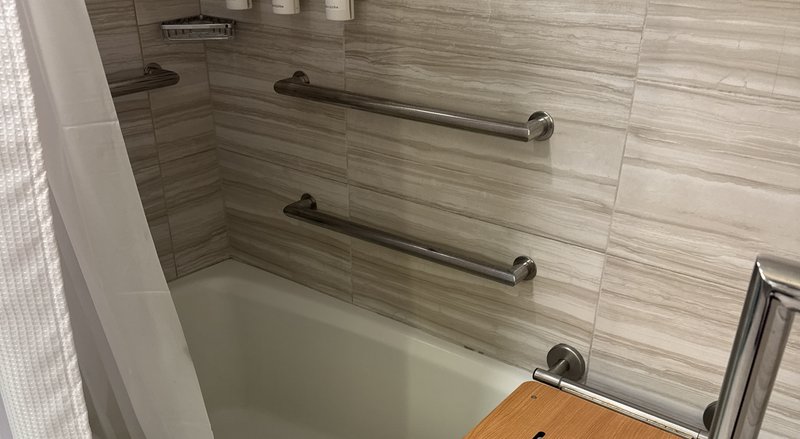

Medicare Advantage covers skilled nursing visits, physical therapy, and other professional health services delivered directly to your home, at no cost to you in most plans, as long as your doctor orders the services and you meet the homebound criteria. This is one of the most valuable benefits in Medicare, and one of the least used, because many people don't realize they qualify.
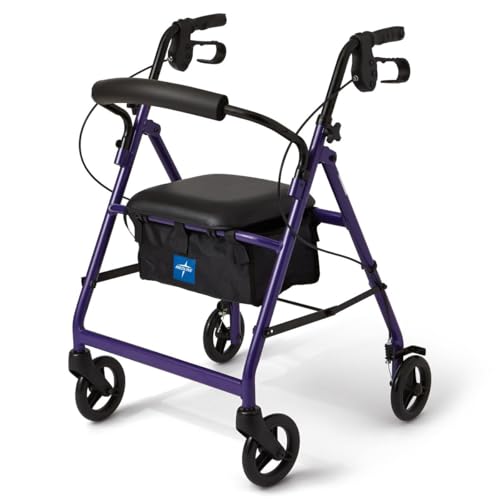
Medline Rollator Walker
$65-120 · May be covered under DME (Durable Medical Equipment) benefit
What the Home Health Benefit Covers
Medicare Advantage plans must cover all home health services that Original Medicare covers, and many plans add additional visits on top of that. Covered services fall into three main areas:
Skilled Nursing Care at Home
A registered nurse or licensed practical nurse comes to your home to provide wound care, IV therapy, medication management, monitoring of chronic conditions, and patient education. Skilled nursing is the most commonly ordered home health service. Visits typically last 30 to 60 minutes and can range from daily visits right after a hospitalization to weekly check-ins as your condition stabilizes. The nurse coordinates closely with your doctor and adjusts the care plan as you recover.
Physical, Occupational, and Speech Therapy
A physical therapist works with you on strength, mobility, walking, and recovery from surgery or injury, all in the comfort of your own home. An occupational therapist helps you relearn daily activities like bathing, dressing, and cooking after illness, surgery, or injury. A speech-language pathologist addresses swallowing difficulties, communication problems, and cognitive changes. Home-based therapy is particularly effective because your therapist can tailor exercises to the exact layout of your home, including your stairs, bathroom, and kitchen.
Home Health Aides and Social Workers
A home health aide can provide personal care such as bathing and grooming, but only when a skilled nursing or therapy service is also being provided. A medical social worker can help you and your family with discharge planning, community resources, and coping with illness. Social workers are especially valuable for connecting you to programs you may not know about, such as Meals on Wheels, transportation assistance, and caregiver support groups.
Who Qualifies for Home Health
To qualify for the home health benefit, you must meet two requirements at the same time. First, you must be homebound. Second, you must need skilled nursing or therapy.
Homebound does not mean you are bedridden or cannot leave home at all. It means that leaving home requires a considerable and taxing effort. You may still qualify as homebound if you use a walker or wheelchair, if going outside causes significant shortness of breath or pain, or if you need the help of another person to leave safely. Attending religious services, occasional medical appointments, or infrequent outings do not disqualify you from being homebound.
Common situations that qualify:
- Recovery from hip replacement, knee replacement, or other surgery
- Recovery from a stroke or heart attack
- Inability to walk safely without risk of falling
- Severe shortness of breath from COPD (Chronic Obstructive Pulmonary Disease), heart failure, or other conditions
- Open wounds or surgical incisions that need professional wound care
- Recent hospitalization with ongoing medical needs
How Many Visits Are Covered
There is no fixed limit on the number of home health visits covered by Medicare Advantage. Coverage continues as long as you remain homebound, your doctor continues to certify that skilled care is needed, and you are making progress or your condition requires ongoing maintenance care.
This is different from some other benefits. There is no "30 visit maximum" or annual cap. The key is that a doctor must order and certify the services on a regular basis, typically every 60 days, and you must continue to meet the homebound criteria.
How to Get Home Health Started
The process starts with your doctor. Here are the steps:
- Talk to your doctor. Tell your doctor that you are having difficulty with daily activities, that leaving home is a significant effort, or that you need skilled care at home. Ask whether home health would be appropriate for your situation.
- Your doctor writes the order. If your doctor agrees, they will write an order for home health services and certify that you are homebound and need skilled care.
- Choose a Medicare-certified home health agency. Your doctor or hospital discharge planner may recommend agencies in your area. You can also search for agencies at medicare.gov/homehealthcompare.
- Notify your plan if required. Some Medicare Advantage plans require prior authorization for home health. Call your plan's Member Services line and ask whether you need prior approval before services begin.
- Services begin. A nurse or therapist from the agency will visit your home, assess your needs, and develop a care plan in coordination with your doctor.
Medicare Advantage vs. Original Medicare for Home Health
By law, Medicare Advantage plans must cover home health at least as generously as Original Medicare. In practice, most MA plans cover home health with no copay for as long as you remain eligible. Some MA plans go further and cover additional "custodial" or "non-skilled" home care visits that Original Medicare does not cover.
However, MA plans may require you to use in-network home health agencies. Using an out-of-network agency without prior authorization could result in higher costs or a denial. Always confirm which agencies are in your plan's network before services begin.
What Home Health Does NOT Cover
Home health does not cover 24-hour-a-day care at home, meals delivered to your home (though some MA plans cover this separately), or homemaker services like housekeeping and laundry if no skilled care is also being provided. Long-term custodial care, such as ongoing personal care with no medical component, is not covered by Medicare.
If you need non-medical home care on an ongoing basis, contact your local Area Agency on Aging (aging.org) to learn about community resources and state-funded programs that may help.
Equipment That Supports Recovery at Home
When you receive home health services, your doctor or therapist may also recommend durable medical equipment to support your safety and recovery. A rollator walker can help you move safely through your home while you rebuild strength. Non-slip bath mats are a simple addition to the bathroom that reduce fall risk during recovery. Both of these items may be covered under your plan's DME or home safety benefit.