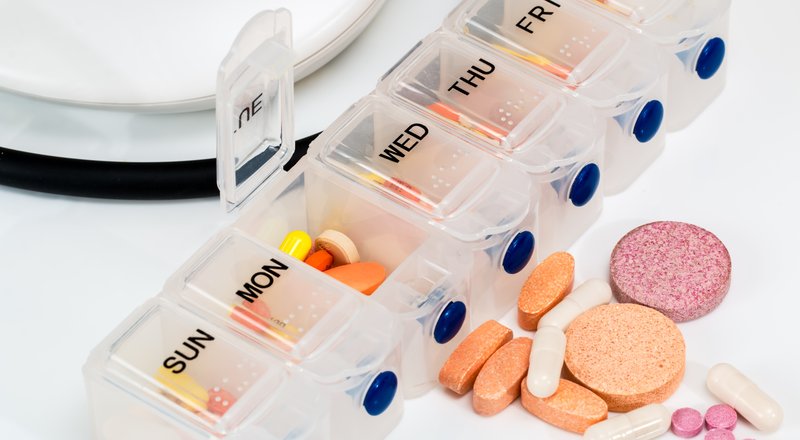

Yes, home blood pressure monitors are one of the most commonly covered items in Medicare Advantage OTC (Over-the-Counter) benefit catalogs. Most plans include upper-arm blood pressure monitors in their approved product lists, and you can use your OTC benefit card to purchase one at little or no out-of-pocket cost. If your plan offers an OTC allowance, checking for a blood pressure monitor is one of the first things worth doing.
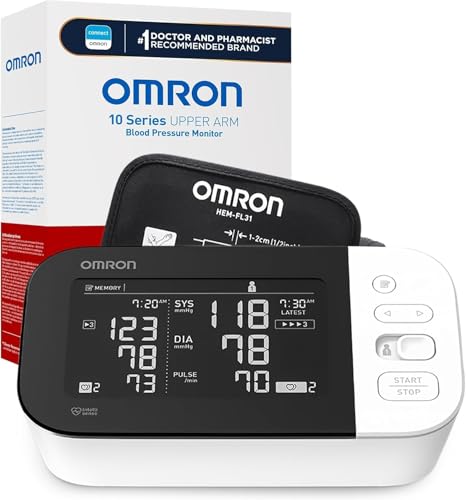
Omron Blood Pressure Monitor
$50-80 · Commonly listed in OTC catalogs
Why Home Blood Pressure Monitoring Matters
High blood pressure, also called hypertension, often has no obvious symptoms. Many people feel completely normal even when their blood pressure is dangerously elevated. Regular monitoring at home catches changes between doctor visits and helps you and your care team make better decisions about your treatment.
Home monitoring is especially important if you:
- Have been diagnosed with high blood pressure or hypertension
- Take blood pressure medication
- Have heart failure, kidney disease, or diabetes
- Experience dizziness, headaches, or shortness of breath
- Have had a recent change in medication
Your doctor may ask you to check your blood pressure at home daily or several times a week. Having an accurate, easy-to-use monitor makes that much easier to do consistently.
Upper-Arm vs. Wrist Monitors: Which Is More Accurate?
Upper-arm monitors are more accurate than wrist monitors for most people. The American Heart Association recommends upper-arm monitors for home use. Wrist monitors are convenient, but they are more sensitive to body position and tend to give less consistent readings, especially for older adults.
When choosing a monitor, look for one that has been validated for clinical accuracy. Validated monitors have been independently tested and confirmed to give readings within a small margin of error. Omron is the most widely stocked brand in Medicare Advantage OTC catalogs and produces several validated upper-arm models.
What the OTC Benefit Covers
Your Medicare Advantage OTC benefit is a pre-loaded allowance, often on a prepaid card or account, that you can spend on approved health and wellness products. Blood pressure monitors appear in most plan catalogs under categories like "health monitoring," "chronic condition support," or "medical devices."
In addition to the monitor itself, some plans also cover:
- Replacement cuffs or larger-size cuffs
- Blood pressure tracking logs or journals
- Batteries for the device
OTC allowances typically reset quarterly or annually. If you have not used your full allowance, checking for a blood pressure monitor is a smart way to put remaining funds to use before they expire.
How to Get a Blood Pressure Monitor Through Your Plan
Getting a blood pressure monitor through your OTC benefit is straightforward:
- Check your current OTC balance. Log in to your plan's member portal or call Member Services to find out how much you have available.
- Find the monitor in your catalog. Look for "blood pressure monitor" or "health monitoring" in your plan's online OTC catalog or printed product guide.
- Order online or shop in person. Most plans allow you to order through their OTC catalog website, by phone, or at approved retailers such as CVS, Walgreens, or Walmart using your OTC benefit card.
- Use your OTC card at checkout. The benefit card works like a debit card at approved stores. Online orders are charged to your account directly.
How Often Should You Check Your Blood Pressure at Home?
Your doctor will give you specific guidance based on your health situation. A common approach for people with hypertension is to check once in the morning and once in the evening, on the same days each week. Always sit quietly for five minutes before taking a reading, and avoid caffeine or exercise in the 30 minutes beforehand.
Write down your readings or use the memory feature built into most digital monitors. Bring your log to each doctor's appointment so your care team can review trends over time rather than relying on a single in-office measurement.
When to Call Your Doctor
Home monitoring is meant to support your care, not replace it. Contact your doctor if:
- Your systolic (top number) reading is consistently above 140 or your diastolic (bottom number) is above 90
- You have a single reading above 180/120
- You notice a sudden significant change from your normal range
- You feel chest pain, shortness of breath, severe headache, or vision changes along with an elevated reading
A reading above 180/120 is a hypertensive crisis and requires immediate medical attention. Do not wait to see if it comes down on its own.
Other Monitoring Devices Your Plan May Cover
If your plan covers a blood pressure monitor through the OTC benefit, it may also cover other home monitoring devices. Pulse oximeters, which measure blood oxygen levels, are commonly included in OTC catalogs and are especially useful for members with COPD (Chronic Obstructive Pulmonary Disease), heart failure, or asthma. Checking your plan's full catalog is worth the time, since many members leave unused allowances on the table each benefit period.
Official Medicare Resources
