

Many Medicare Advantage OTC (Over-the-Counter) benefit plans do cover vitamins and supplements, but coverage depends entirely on your specific plan's catalog. Common items that appear in OTC catalogs include multivitamins, vitamin D, vitamin C, calcium supplements, fish oil and omega-3 capsules, B-complex vitamins, and probiotics. However, because every plan builds its own catalog, you need to check your plan's specific approved list to know for certain which vitamins and supplement brands are covered for you.
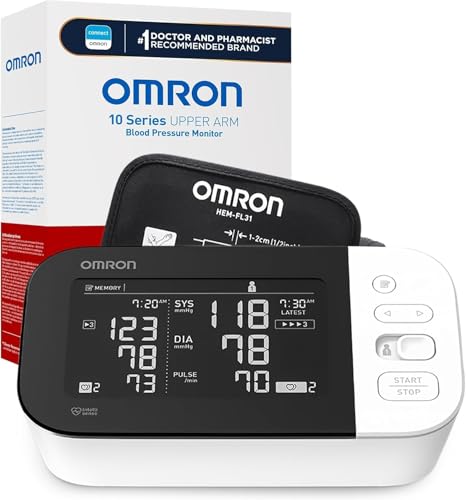
Omron Blood Pressure Monitor
$50-80 · Often covered by OTC benefit
Why Coverage Varies from Plan to Plan
Medicare sets the rules for what types of products can be included in an OTC benefit, but each Medicare Advantage plan decides its own catalog. One plan might cover a wide range of vitamins in many brands and sizes. Another plan in the same county might offer vitamins only through its online ordering portal, or might limit coverage to a specific brand or bottle size.
This means you cannot assume that because your neighbor's plan covers vitamin D, yours does too. The only reliable way to know is to look at your own plan's OTC catalog.
Vitamins and Supplements That Are Commonly Covered
While the specific products vary, these categories appear frequently in Medicare Advantage OTC catalogs across many plans:
- Multivitamins: Daily multivitamins formulated for adults 50 and older are among the most commonly listed supplement items. Look for brands like Centrum Silver or store-brand equivalents.
- Vitamin D: Vitamin D3 in common dosages (1,000 IU to 2,000 IU) is widely included in OTC catalogs, particularly because low vitamin D levels are common among older adults.
- Calcium: Calcium carbonate and calcium citrate supplements are often covered, sometimes combined with vitamin D in a single tablet.
- Fish oil and omega-3s: Over-the-counter omega-3 fish oil capsules are frequently listed in OTC catalogs. Note that prescription-strength omega-3 medications are not covered through the OTC benefit.
- Vitamin C: Standard vitamin C supplements (500 mg or 1,000 mg) are commonly included.
- B vitamins: B12, B6, and B-complex supplements appear in many catalogs, especially since B12 deficiency becomes more common with age.
- Probiotics: Over-the-counter probiotic capsules are included in a growing number of OTC catalogs.
- Magnesium: Magnesium glycinate or magnesium citrate supplements are sometimes covered, particularly in plans with broader supplement coverage.
What Is Not Covered, Even If It Is a Supplement
Even if your plan covers vitamins, there are limits to what counts as an eligible supplement purchase:
- Prescription-strength supplements: High-dose prescription omega-3 medications or prescription vitamin D formulations (like 50,000 IU capsules) are not covered by the OTC benefit. Those go through your Part D drug coverage.
- Specialty or performance supplements: Protein powders, pre-workout supplements, collagen powders, and similar products marketed for athletic performance are generally not covered.
- Gummies marketed as candy: Some vitamin gummies are classified differently depending on their labeling and ingredients. Stick with traditional capsule or tablet formats to be safe.
- Certain herbal supplements: Some plans include basic herbal items like melatonin, while others do not. Specialty herbal supplements are frequently excluded.
Does It Matter Where You Buy Your Vitamins?
Yes, the retailer matters. Your OTC card will only recognize covered vitamins by their product barcode at approved stores. A vitamin that is covered when you order it through your plan's online OTC portal may not ring up as eligible when you buy it at a physical store, because the in-store inventory may carry a different size or UPC than what is in the plan's system.
If you want to be completely certain your vitamins are covered before checkout, use your plan's online OTC ordering portal. Every item shown there is pre-approved for your specific plan. If you prefer shopping in-store, check whether your plan's app allows barcode scanning to verify coverage before you add an item to your cart.
How to Check Your Plan's Vitamin Coverage
There are three straightforward ways to confirm which vitamins and supplements your plan covers:
- Review your OTC catalog online: Log into your member portal and navigate to the OTC benefit section. Many plans display a searchable catalog where you can type "vitamin" or "supplement" to see all covered items.
- Request a printed catalog: Call Member Services and ask them to mail you the current OTC catalog. This printed guide lists all covered products and is especially useful if you prefer not to navigate websites.
- Ask Member Services directly: If you have a specific vitamin in mind, call and ask whether that item is in your plan's catalog. The representative can check by product name or category.
It is also worth checking the catalog at the start of each new plan year, since catalogs are updated annually and the vitamin coverage may change from one year to the next.
Using Your OTC Balance for Vitamins at End of Quarter
Vitamins and supplements are an excellent choice for spending down an OTC balance before it resets. They are consumable, have a long shelf life, and most adults over 65 can benefit from taking them regularly. If you find yourself with $30 or $40 left in your OTC account near the end of a quarter, picking up a bottle of vitamin D, a multivitamin, or a three-month supply of fish oil is a practical way to use those funds before they expire. Check your catalog first, then order online through your plan's portal or pick them up at a covered store.
Official Medicare Resources
