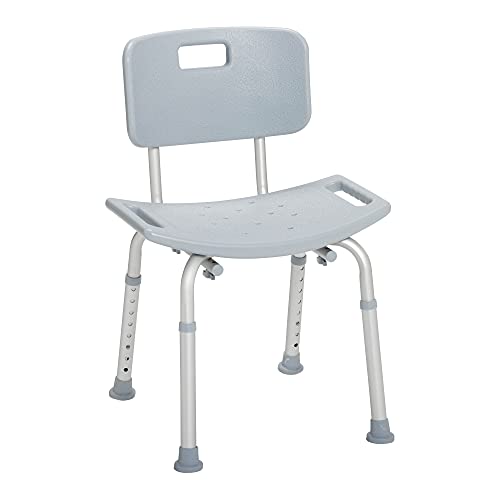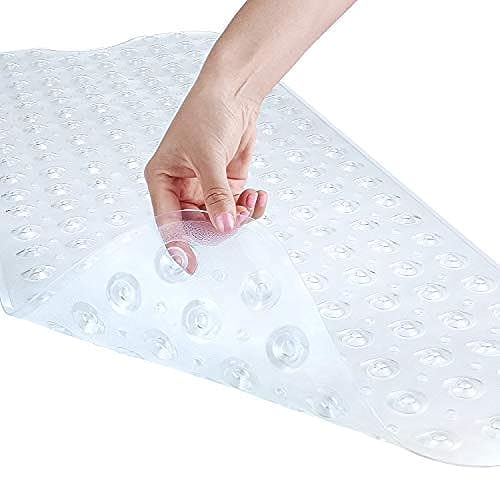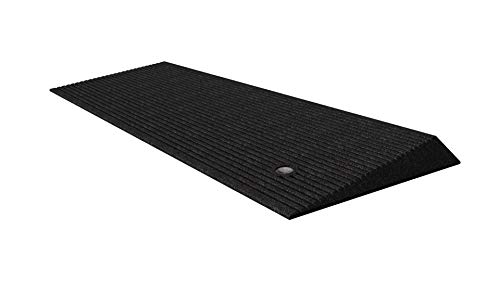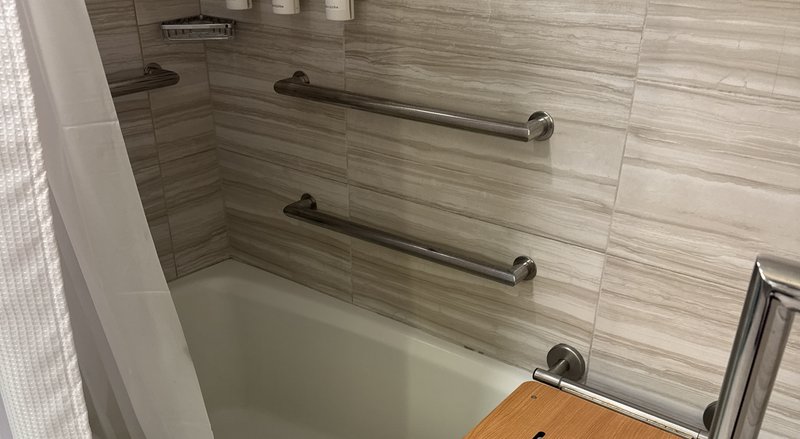

The Medicare Advantage Home Safety benefit gives you an annual allowance, typically $200 to $500, to pay for home modifications that reduce fall risk including grab bars, shower chairs, non-slip mats, threshold ramps, and handrails. Most Medicare Advantage plans include this benefit, but most members have never used it because they do not know it exists.
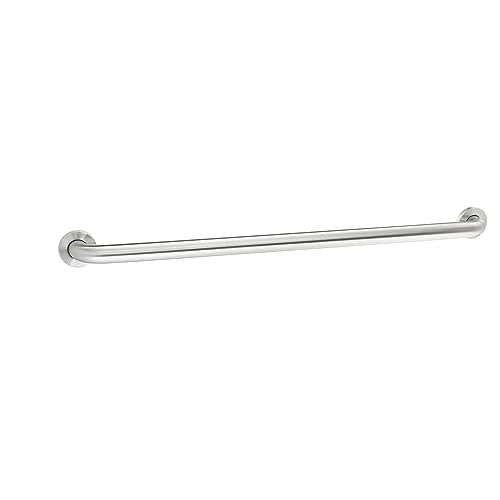
Amazon Basics 36-Inch Stainless Steel Grab Bar
$25-45 · Covered under Home Safety benefit ·
Here is how it works and how to use it.
What Is the Home Safety Benefit?
The Home Safety benefit (sometimes called the Home Modification benefit) is a supplemental benefit included in most Medicare Advantage plans. Original Medicare does not offer it. It gives you an annual dollar allowance to spend on modifications that reduce fall risk and improve safety in your home.
The benefit exists because falls are one of the leading causes of injury, hospitalization, and decline for older adults. Plans offer this benefit because preventing a fall is far cheaper for the plan than paying for a hip fracture, surgery, and rehabilitation.
What Does the Home Safety Benefit Cover?
Covered items typically fall into three main categories based on where they are installed in your home:
Bathroom Safety Modifications
The bathroom is the most dangerous room in the home for older adults. Wet, hard surfaces combined with transitions in and out of the tub or shower create the highest fall risk. Covered bathroom modifications include grab bar installation (near the toilet, in the shower, and along walls), raised toilet seats and toilet safety rails, shower chairs and bath benches, and non-slip bath mats and tub mats. Fall prevention specialists recommend starting with the bathroom because the modifications are inexpensive and the risk reduction is immediate.
Entryways, Hallways, and Stairs
Threshold ramps eliminate the raised lip at doorways that can catch walkers, wheelchairs, and unsteady feet. Handrails and stair rails provide support along hallways and staircases. Portable wheelchair ramps make it possible to enter and exit the home safely. Motion-sensor night lights along hallways and near the bathroom reduce the risk of falls during nighttime trips. These modifications are especially important if you use a walker or rollator to move around your home.
Renter-Friendly Options
If you rent your home, suction-cup grab bars provide temporary support without drilling into walls. Many other covered items, such as non-slip mats, night lights, and portable ramps, can be installed and removed without modifying the property. Check with your landlord before making any permanent installations, but know that many of the most effective safety modifications are fully portable.
Some plans also cover doorway widening for wheelchair access, lever-style door handles, and roll-in shower modifications. The specific covered items vary by plan and by market.
How Much Does the Benefit Cover?
Most plans offer $200 to $500 per year. Some plans in competitive markets offer up to $1,500 per year. The exact amount is in your plan's Summary of Benefits document, which you can find on your plan's website or request by calling Member Services.
The allowance resets annually on January 1. Unused balances do not roll over.
How to Use Your Home Safety Benefit: 4 Steps
Step 1: Find your allowance amount. Call Member Services or check your Summary of Benefits. Ask for your Home Safety or Home Modification benefit amount and how the claiming process works for your specific plan.
Step 2: Get a list of approved vendors. Your plan will have a network of approved contractors and vendors. Using an out-of-network vendor may mean the cost is not covered. Ask for the list before hiring anyone.
Step 3: Schedule an assessment if required. Some plans require a brief home safety assessment before approving modifications. This is usually a short visit from an occupational therapist or contractor who identifies what your home needs. The assessment is typically covered at no additional cost.
Step 4: Get the work done. Most plans pay the approved vendor directly. Others allow you to pay out of pocket and submit a receipt for reimbursement up to your allowance amount. Ask Member Services which method your plan uses before scheduling work.
Does the Benefit Cover the Full Cost?
Up to the benefit limit, yes. If your total modification costs exceed the annual allowance, you pay the difference. For most standard modifications (two grab bars, a shower chair, a threshold ramp), the typical $200 to $500 allowance is often sufficient to cover everything.
What Happens If You Don't Use It?
The allowance resets on January 1 and unused funds do not carry over. If you have the benefit and your home has any fall risks at all (and most homes do), this is money worth using. The modifications that fall prevention specialists consistently recommend first are also the least expensive: grab bars, a shower chair, and better bathroom lighting.
Can You Use Both Home Safety and DME (Durable Medical Equipment) Benefits Together?
Yes. The Home Safety benefit covers modifications to your home. The DME benefit covers equipment like walkers, commodes, and wheelchairs. Both can be used at the same time. If you are setting up your home after a hospital stay or for a family member moving in, you may be able to claim both benefits simultaneously.
Official Medicare Resources