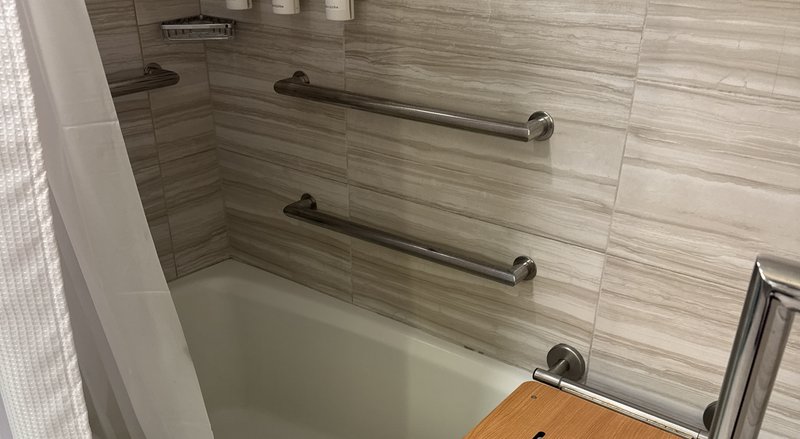

Yes, most Medicare Advantage plans cover grab bars under the Home Safety benefit, which provides an annual allowance of $200 to $500 for bathroom safety modifications including grab bar installation. No doctor's prescription is required for most plans. If you or someone you care for is at risk of a fall in the bathroom, grab bars are one of the most effective safety modifications you can make, and most members never ask about coverage and end up paying out of pocket.
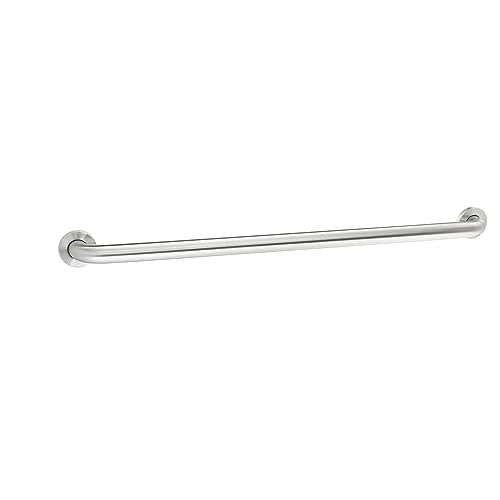
Amazon Basics 36-Inch Stainless Steel Grab Bar
$25-45 · Covered under Home Safety benefit ·
Here is everything you need to know.
Which Medicare Advantage Benefit Covers Grab Bars?
Grab bars fall under the Home Safety benefit, sometimes called the Home Modification benefit. This is a supplemental benefit included in most Medicare Advantage plans that Original Medicare (Parts A and B) does not offer. It exists specifically to cover modifications that reduce fall risk at home.
This is one of the key reasons many people choose Medicare Advantage over Original Medicare. The supplemental benefits, including Home Safety, go well beyond what standard Medicare provides.
How Much Does Your Plan Cover?
Most plans offer between $200 and $500 per year for home safety modifications. Some plans offer more, particularly in markets where Humana, UnitedHealthcare, and Aetna compete aggressively for members.
The exact amount is listed in your plan's Summary of Benefits document, which you can find on your plan's website or request by calling Member Services. The allowance typically resets each January 1.
What Types of Grab Bars Are Covered?
Your Home Safety benefit commonly covers:
- Permanent wall-mounted grab bars in the shower or tub
- Grab bars installed beside the toilet
- Suction-cup grab bars for renters or when drilling is not possible
- Toilet safety rails and raised toilet seats with handles
Professional installation is often included in the coverage, which matters because grab bars mounted incorrectly can be more dangerous than having no bar at all. Always use an approved vendor or a licensed contractor.
How to Get Grab Bars Covered: 3 Steps
Step 1: Call Member Services. Call the number on the back of your insurance card. Ask specifically: "Do I have a Home Safety or Home Modification benefit? What is my annual allowance and how do I use it?" Write down the amount and ask for a list of approved vendors in your area.
Step 2: Find an approved vendor. Your plan will provide a list of approved contractors. Some plans also allow you to purchase and install grab bars yourself and submit a receipt for reimbursement up to your allowance amount.
Step 3: Get them installed. Schedule the work through your approved vendor. Your plan covers the cost up to your annual allowance. If the installation costs more than your allowance, you pay the difference.
What If Your Plan Doesn't Cover Installation?
If your plan covers the grab bars but not the labor, the bars themselves are affordable. A quality stainless steel grab bar typically costs $35 to $80. A handyperson usually charges $50 to $100 per bar for installation.
Even out of pocket, this is one of the highest-value safety investments you can make at home.
Why Grab Bars Matter
The bathroom is the most dangerous room in the home for older adults. The CDC estimates more than 200,000 adults over 65 are treated in emergency rooms for bathroom falls every year. A grab bar next to the toilet and one inside the shower are consistently identified as the two highest-impact modifications in any home safety assessment.
For anyone returning home after a hip replacement, knee surgery, or hospital stay, grab bars are typically one of the first items recommended by occupational therapists before discharge. In many cases, your discharge team can arrange for your plan to cover them as part of the DME (Durable Medical Equipment) or Home Safety benefit before you even leave the facility.
Does Medicare Advantage Cover Grab Bar Installation in a Rental?
If you rent your home, permanent installation may not be an option. Most plans still cover suction-cup grab bars for renters. These attach to smooth tile surfaces without drilling and can be moved when you relocate. They are not as strong as permanently mounted bars, but they provide meaningful protection and are widely covered under the Home Safety benefit.
Official Medicare Resources

