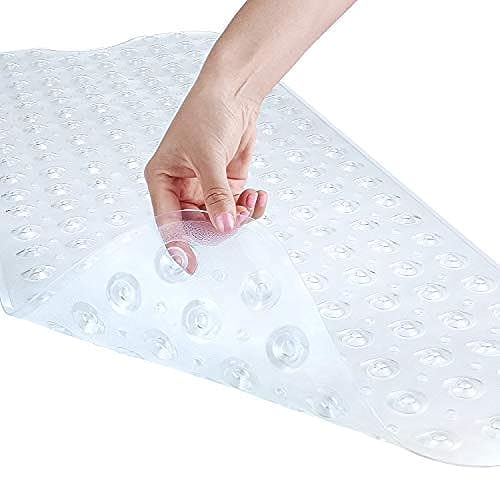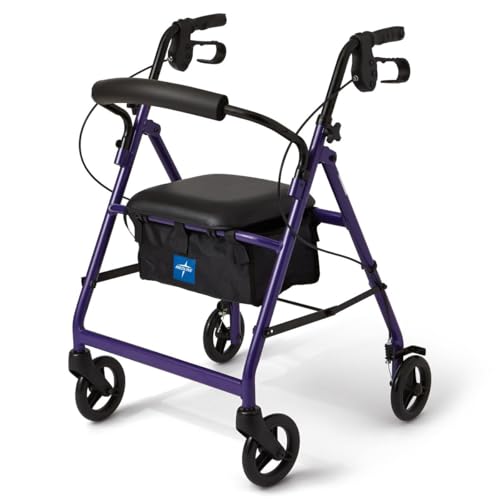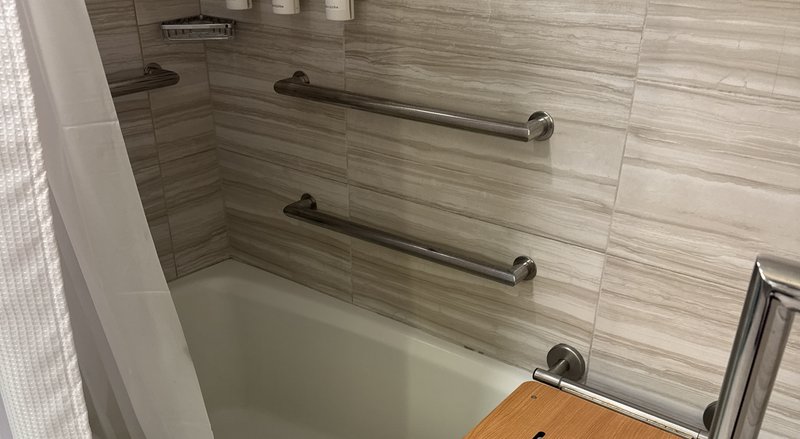

Yes, Medicare Advantage plans cover fall prevention items including grab bars, non-slip bath mats, shower chairs, canes, walkers, medical alert systems, and threshold ramps at little or no cost. These items are covered under three separate benefits — Home Safety, DME, and OTC — and most members never claim them. This guide walks through every fall prevention benefit in a typical Medicare Advantage plan and how to use each one.
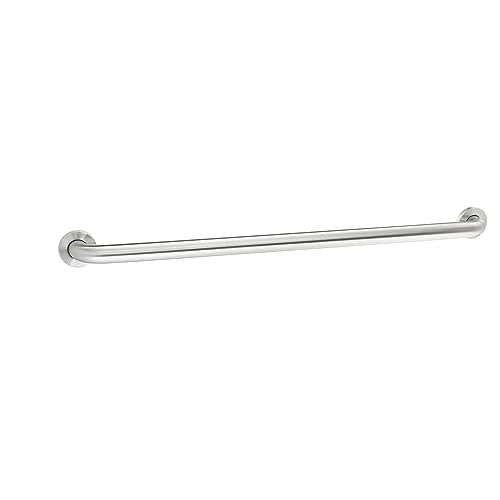
Amazon Basics 36-Inch Stainless Steel Grab Bar
$25-45 · Covered under Home Safety benefit ·
Why Falls Are the Top Safety Priority
Falls are the leading cause of injury-related death among adults 65 and older, according to the CDC. The CDC estimates that one in four older adults falls each year, and many of those falls happen at home in the bathroom, on stairs, or getting in and out of bed. The good news is that most falls are preventable with the right modifications and equipment. Medicare Advantage is specifically designed to help you make those changes.
Fall Prevention Benefits at a Glance
| Benefit | What It Covers | Typical Allowance | Prescription Needed? |
|---|---|---|---|
| Home Safety | Grab bars, non-slip mats, ramps, toilet rails, handrails | $200 - $500/year | No |
| DME | Walkers, rollators, canes, wheelchairs, transfer belts | $0 copay (most plans) | Yes |
| OTC | Non-slip socks, night lights, reachers, bath treads | $100 - $600+/year | No |
| PERS | Medical alert devices with fall detection | Varies by plan | No |
The Home Safety Benefit: Your Primary Fall Prevention Resource
Most Medicare Advantage plans include a Home Safety benefit, sometimes called a Home Modification benefit. This benefit provides an annual allowance (typically $200 to $500) to cover safety modifications at home. Items commonly covered include:
- Grab bars: Wall-mounted bars in the shower, tub, and beside the toilet. This is the most impactful single modification for bathroom fall prevention.
- Non-slip bath mats: Suction-cup mats for the tub floor and non-slip rugs for the bathroom floor.
- Threshold ramps: Small ramps that eliminate trip hazards at doorway thresholds, especially for anyone using a walker or wheelchair.
- Toilet safety rails: Freestanding rails on either side of the toilet for sitting down and standing up safely.
- Stair handrails: Some plans cover installation or reinforcement of stair handrails.
To use this benefit, call the Member Services number on the back of your insurance card. Ask: "Do I have a Home Safety or Home Modification benefit? What is my annual allowance?" Your plan will provide a list of approved vendors or allow you to purchase items and submit receipts for reimbursement.
The DME Benefit: Walkers, Canes, and Mobility Aids
The Durable Medical Equipment (DME) benefit covers mobility aids that help you move safely through your home. These devices are not just for people who cannot walk. They are designed to prevent falls by providing stability and support during everyday movement.
- Rollator walker: A four-wheeled walker with a seat and hand brakes. Ideal for anyone who tires easily, needs to rest frequently, or is recovering from surgery.
- Standard walker: A lightweight frame walker for those who need maximum stability with every step.
- Cane: A single-tip or quad cane for mild balance impairment or recovery from a lower leg injury.
- Transfer belt: Worn by the person being assisted, to give a caregiver a safe grip during transfers from bed to chair or from chair to standing.
To get a mobility aid covered under DME, your doctor must write a prescription indicating that the device is medically necessary. Most plans also require you to use an in-network supplier. Ask your doctor at your next appointment whether a walker or cane would be appropriate for your situation.
The OTC (Over-the-Counter) Benefit: Safety Accessories Without a Doctor Visit
Your plan's OTC (Over the Counter) benefit often covers smaller fall prevention items that you can order directly without a doctor visit. Depending on your plan's catalog, this can include:
- Non-slip bath mats and tub treads
- Night lights for hallways and bathrooms
- Non-slip socks and footwear grips
- Reachers and grabbers to reduce bending and reaching
Check your plan's OTC catalog through your member portal or by calling Member Services. The balance typically resets quarterly or annually, and unused funds do not roll over, so it is worth checking what is available before each reset date.
Medical Alert Systems: If You Do Fall
Many Medicare Advantage plans cover a Personal Emergency Response System (PERS), commonly known as a medical alert device. These are wearable buttons you press to call for help immediately after a fall or medical emergency. Some devices also include automatic fall detection, which sends an alert even if you are not able to press the button.
Coverage varies widely by plan. Some plans provide the device at no cost, while others cover the monthly monitoring fee or provide a credit toward the purchase. Call Member Services and ask: "Does my plan cover a medical alert system or PERS device? What is covered and how do I get one?"
In-Home Physical Therapy After a Fall
If you have had a fall or near-fall and your doctor believes you are at elevated risk, you may qualify for home health physical therapy. A physical therapist visits your home, assesses your balance and strength, identifies specific fall hazards in your environment, and develops a personalized exercise program to reduce your risk.
To qualify, you must be considered homebound (leaving home requires significant effort) and your doctor must order the services. There is no fixed visit limit as long as you are making progress or your condition requires ongoing maintenance. Most MA plans cover home health physical therapy with no copay.
A Practical Fall Prevention Checklist
Here is how to use all your benefits together for maximum protection:
- Call Member Services and ask about your Home Safety allowance, OTC benefit, and PERS coverage. Write down the amounts and reset dates.
- Start in the bathroom. Install grab bars in the shower and beside the toilet. Add a non-slip mat to the tub floor. This room accounts for the most falls.
- Address trip hazards. Use threshold ramps at doorways. Remove loose rugs. Improve lighting in hallways and on stairs.
- Talk to your doctor about a mobility aid. A rollator walker or cane can significantly reduce fall risk during daily movement.
- Consider a medical alert device. Even with every precaution in place, having a way to call for help quickly can make the difference between a minor incident and a serious injury.
Official Medicare Resources