
Hip replacement recovery involves a range of Medicare Advantage benefits that many patients never fully use. Your plan likely covers durable medical equipment (DME) for your home, home safety modifications, physical and occupational therapy at home, and outpatient rehabilitation. The most important thing to know is this: the best time to arrange all of these benefits is before you leave the hospital or rehabilitation facility. Once you are home, getting items ordered and delivered quickly becomes much harder.
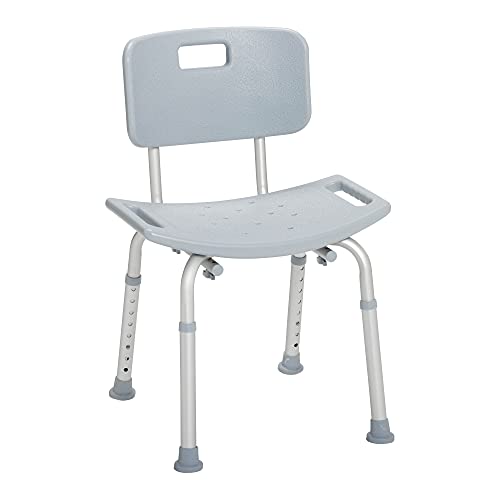
Drive Medical Shower Chair
$30-60 · Often covered under DME benefit
Durable Medical Equipment Covered After Hip Replacement
Medicare Advantage covers durable medical equipment that your doctor orders as medically necessary for your recovery. After a hip replacement, the following items are commonly covered:
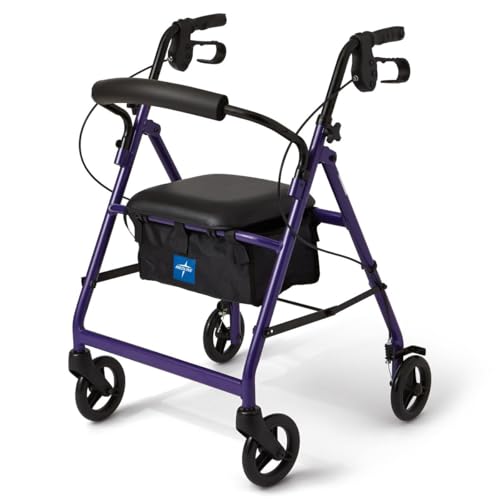
- Rollator walker or standard walker: Most patients need a walker for the first several weeks after surgery. A rollator with wheels makes it easier to move without fully lifting the walker with each step.
- Raised toilet seat with handles: Hip precautions after posterior approach surgery require you to avoid bending your hip past 90 degrees. A raised toilet seat reduces that bend significantly and is considered a medical necessity for most hip replacement patients.
- Shower chair or tub transfer bench: Sitting while showering eliminates the risk of losing balance on a wet surface. A tub transfer bench allows you to slide into the tub without stepping over the edge, which is safer during early recovery.
- Reacher and grabber tool: Hip precautions often prohibit bending forward. A long-handled reacher lets you pick up items from the floor without violating those restrictions.
- Long-handled shoehorn and sock aid: Putting on socks and shoes requires bending forward. Adaptive tools let you dress independently while following hip precautions.
Ask your surgeon and hospital case manager to write orders for all of these items before discharge. The hospital's discharge coordinator or social worker can arrange for a durable medical equipment supplier to deliver these items to your home before or shortly after you arrive.
Understanding Hip Precautions
Patients who have posterior approach hip replacement surgery are typically given hip precautions to protect the new joint while the muscles and tissues heal. The three main precautions are: no bending the hip past 90 degrees, no crossing the legs, and no turning the foot inward. These precautions make a raised toilet seat and shower chair non-negotiable safety items. Violating hip precautions can dislocate the new joint, which requires emergency treatment. If your surgeon used an anterior approach, you may have fewer or different precautions. Ask your surgical team which precautions apply to you and for how long.
Home Safety Modifications Covered by Medicare Advantage
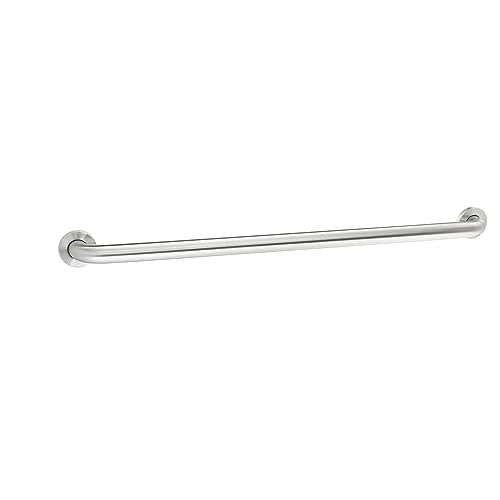
Many Medicare Advantage plans include a home safety or home modification benefit that goes beyond standard DME. This benefit may cover grab bar installation, threshold ramps, stair railings, and other modifications to reduce fall risk at home. The benefit amount varies widely by plan, from a few hundred dollars to over $1,500 per year. Call Member Services before your surgery to ask whether your plan includes this benefit and how to activate it. Some plans require pre-authorization for home modifications, so starting this process early is important.
Grab bars in the bathroom are particularly important for hip replacement recovery. They give you something to hold while sitting down on the raised toilet seat or getting in and out of the shower. If your plan's home safety benefit does not cover installation, the cost of hardware and installation is typically modest compared to the cost of a fall.
Home Health Visits: Physical and Occupational Therapy at Home
After hip replacement, your doctor will order home health services if you qualify as "homebound," meaning leaving home requires a considerable effort. Homebound status is common in the first weeks after hip surgery. Home health benefits covered by Medicare Advantage include:
- Physical therapy visits at home to work on strength, gait, and mobility
- Occupational therapy visits to help you learn how to do daily activities safely with your new hip and hip precautions
- Skilled nursing visits if wound care or medication management is needed
Home health visits continue as long as you are homebound and showing measurable improvement. Your plan may require prior authorization for home health services. Make sure the hospital coordinates this authorization before discharge so there is no gap in care.
Outpatient Physical Therapy
Once you are mobile enough to travel, you will transition from home PT to outpatient physical therapy at a clinic or hospital. Medicare Advantage covers outpatient PT with a copay per visit. Most hip replacement patients attend outpatient PT for six to twelve weeks. Your plan may require that you use an in-network PT provider. Confirm coverage and in-network status before your first outpatient appointment to avoid surprise bills.
What to Request Before Discharge: A Checklist
Before you leave the hospital or rehab facility, make sure the team has addressed each of these items:
- DME orders for walker, raised toilet seat, shower chair or tub transfer bench, and reacher
- Delivery of DME to your home (confirm delivery address and timing with the supplier)
- Home health referral with prior authorization from your Medicare Advantage plan
- Written hip precautions from your surgical team
- Follow-up appointment scheduled with your surgeon
- Contact information for your plan's Member Services in case you need to request additional items
Do not assume the hospital team has handled everything. Ask each question directly and confirm before you leave.
What to Do If Something Was Not Ordered at Discharge
If you arrive home and realize a piece of equipment was not ordered or your home health services have not started, call your Medicare Advantage plan's Member Services immediately. Explain that you are post-surgical and need the item or service. Ask whether your plan can expedite authorization given your situation. You can also call your surgeon's office to have them write a new order and send it directly to your plan and the equipment supplier. Do not wait. A gap in equipment or therapy during the critical early recovery period increases your fall risk and can slow your progress.
Related Guides
Official Medicare Resources