
If you are helping a parent or loved one navigate their Medicare Advantage plan, you may be sitting on a significant amount of unused benefits that your loved one has already paid for through their premiums. Medicare Advantage plans routinely include dental, vision, hearing, over-the-counter health product allowances, home safety modifications, and medical alert systems as supplemental benefits. This guide walks through each benefit category so you know exactly what to look for, how to claim it, and how to make the conversation easier if your loved one is resistant to accepting help.
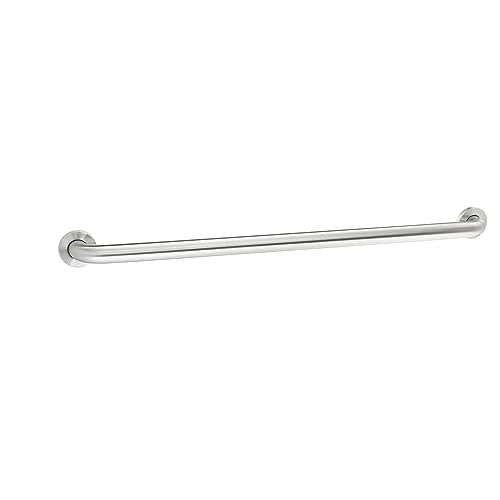
Amazon Basics 36" Grab Bar
$25-45 · Often covered under Medicare Advantage home safety benefit
What Medicare Advantage Covers That Original Medicare Does Not
Many family members are surprised to learn just how much more Medicare Advantage covers compared to Original Medicare. Here is a quick summary of the most valuable supplemental benefits available in most Medicare Advantage plans:
- OTC (Over-the-Counter) allowance: A quarterly budget ($50 to $200 in most plans, based on 2026 plan documents) for over-the-counter health products like blood pressure monitors, vitamins, and compression socks.
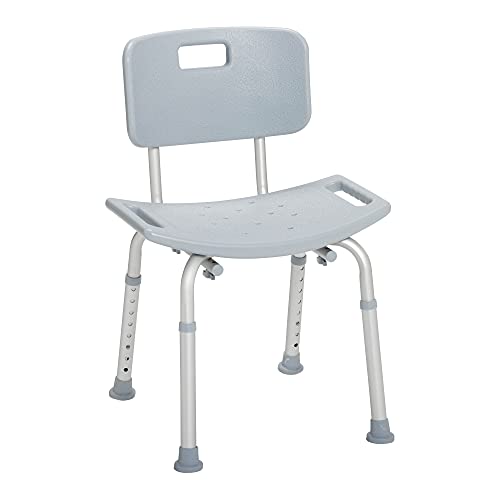
- Home safety modifications: An annual allowance (typically $200 to $500) for grab bars, threshold ramps, shower chairs, and non-slip mats.
- Dental coverage: Annual cleanings, X-rays, fillings, and sometimes crowns or dentures.
- Vision coverage: Annual eye exams and a frame or contact lens allowance.
- Hearing benefits: Hearing exams and an allowance toward hearing aids, which can be very expensive without coverage.
- Fitness benefits: Programs like SilverSneakers that provide free or low-cost gym memberships.
- Transportation: Some plans cover rides to and from medical appointments.
- Medical alert systems: Some plans cover personal emergency response systems (PERS (Personal Emergency Response System)) for fall detection.
None of these benefits exist in Original Medicare. If your loved one is on Medicare Advantage, they have access to all of the benefits their specific plan includes, whether they know it or not.
How to Find Out What the Plan Actually Covers
The best way to find out exactly what is covered is to call the plan's Member Services line together. Here are a few important tips for this call:
- The member should be on the line, or the member should have previously authorized you as a representative who can speak on their behalf. Plans take privacy seriously and will not discuss account details with a non-authorized caller.
- Ask specifically about each benefit category: OTC allowance, home safety or home modification benefit, dental, vision, hearing, medical alert, and transportation.
- For each benefit, ask: What is the dollar amount? What is the reset date? What is the process for using it?
- Request that they mail or email a summary of the supplemental benefits so you have it in writing.
The Member Services number is printed on the back of the insurance card. You can also log into the plan's member portal online to view a benefits summary, though the portal is sometimes less detailed than a direct call.
Equipment to Request at Hospital Discharge
One of the most important moments for a caregiver to advocate for their loved one is at hospital discharge. This is when the medical team and case manager are planning what the member will need at home, and it is often possible to arrange for Medicare-covered durable medical equipment (DME (Durable Medical Equipment)) to be delivered directly to the home. Common items to ask about at discharge include:
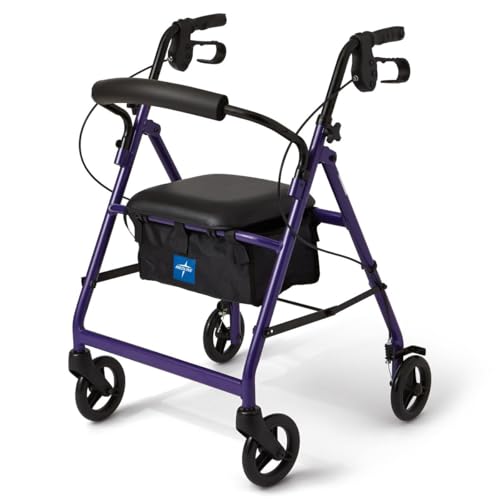
- Rollator walker or standard walker for mobility support
- Shower chair or bath seat for safe bathing
- Raised toilet seat for easier standing and sitting
- Grab bars for the bathroom
- Home physical therapy visits for strength and balance recovery
Ask the discharge planner or social worker what equipment the plan will cover for home use. Do not leave the hospital without this conversation. Equipment ordered through the hospital at discharge is often covered with no out-of-pocket cost, whereas arranging it afterward can be more complicated.
The Home Safety Benefit: Making the Home Safer for Aging in Place
Falls are the leading cause of injury-related emergency room visits among older adults, according to the CDC. Many Medicare Advantage plans include a home safety benefit, sometimes called a home modification benefit, that pays for modifications designed to reduce fall risk. The annual allowance is typically $200 to $500 and resets each January 1.
Common covered items include grab bars in the bathroom and shower, threshold ramps over door saddles, non-slip mats, raised toilet seats, and shower chairs. Some plans also cover installation labor. Call Member Services to confirm the dollar amount, the list of covered items, and whether you need to use an approved vendor or can self-purchase and submit a receipt.
If your loved one's plan includes this benefit, using it now is far less expensive than dealing with a fall and a hospital stay later.
The OTC Benefit: Quarterly Money for Health Products
The OTC benefit gives members a quarterly allowance, typically $50 to $200, to spend on over-the-counter health products at approved retailers like Walmart, CVS, and Walgreens, or online through the plan's ordering portal. The allowance resets at the end of each quarter and unused funds are forfeited, so it is worth checking in with your loved one every few months to make sure they are using it.
Eligible items commonly include blood pressure monitors, compression socks, vitamins, dental care products, reading glasses, first aid supplies, and incontinence products. As a caregiver, you can help your loved one make a list of health items they regularly buy and check whether those items qualify. Using the full quarterly allowance is one of the easiest ways to reduce out-of-pocket health spending.
Medical Alert Systems: Coverage for Fall Detection
Personal emergency response systems (PERS), often called medical alert systems, allow a person to call for help at the press of a button if they fall or have a medical emergency. Many Medicare Advantage plans cover the monthly cost of a PERS device as a supplemental benefit, which can save $30 to $60 or more per month compared to paying out of pocket.
If your loved one lives alone or spends time alone at home, a medical alert system can provide peace of mind for the whole family. Call Member Services to ask whether the plan covers a PERS device, which devices are approved, and how to enroll in the benefit.
How to Help a Parent Who Is Resistant to Accepting Help
Many older adults feel uncomfortable accepting help because it feels like a loss of independence or a sign of weakness. If your parent or loved one resists using their benefits, try reframing the conversation. These are benefits they have already paid for as part of their plan. Using them is not charity, it is getting the value they are entitled to. Here are a few approaches that often work:
- Frame it as being practical: "You paid for this benefit with your premiums. Let's make sure you're getting your money's worth."
- Start small: help them use the OTC benefit to order something they already buy, like vitamins or a blood pressure monitor.
- Focus on independence: "A grab bar in the shower means you can keep bathing independently. That's the whole point."
- Involve their doctor: a physician recommendation for home safety modifications can carry more weight than a family member's suggestion.
The goal is to frame every benefit as a tool for maintaining independence and quality of life, not as an admission that something is wrong.
AdvantageGuide Was Built for Caregivers Like You
Navigating Medicare Advantage benefits is genuinely complicated. Plans vary by carrier, by county, and by year. Benefits reset on different schedules. Claiming processes differ from plan to plan. AdvantageGuide was built specifically to cut through that complexity for members and the family caregivers who help them. Enter your loved one's plan information, and AdvantageGuide will show you exactly which benefits are available, which products are covered, and how to claim them step by step before the reset date. Getting the full value from a Medicare Advantage plan is one of the most meaningful things a caregiver can do.
Official Medicare Resources