
Yes, most Medicare Advantage plans cover raised toilet seats under either the DME (Durable Medical Equipment) benefit when prescribed by a doctor, or under the Home Safety benefit as a fall-prevention home modification. Raised toilet seats are among the most commonly requested items after hip or knee surgery, and most members pay little or nothing out of pocket through their plan.

Carex Raised Toilet Seat with Handles
$25-40 · Covered under DME or Home Safety benefit
What Is a Raised Toilet Seat?
A raised toilet seat is a device that sits on top of a standard toilet bowl, adding 2 to 6 inches of height to the seating surface. The extra height means you do not have to bend your knees and hips as deeply to sit down or stand up. This matters enormously after hip or knee surgery, and for anyone with arthritis, lower limb weakness, or significant mobility limitations.
Most raised toilet seats simply lock onto the existing toilet bowl and can be removed and reinstalled quickly. Some models include arms or handles on the sides, which give you something to push against when standing up and provide extra safety during the transition from standing to sitting.
Who Needs a Raised Toilet Seat?
Raised toilet seats are especially important in these situations:
- After hip replacement surgery: Surgeons typically prescribe hip precautions after replacement surgery, restricting hip flexion to less than 90 degrees. Sitting on a standard toilet requires more flexion than that. A raised seat keeps the hip in a safe position.
- After knee replacement surgery: Deep knee bending is painful and restricted in the weeks following knee replacement. A raised seat reduces the range of motion required to sit and stand.
- Severe arthritis: Arthritic joints make the sit-to-stand transfer on a low toilet very painful. Added height reduces joint strain significantly.
- General lower body weakness: Anyone who struggles to push up from a low seated position benefits from the reduced distance and the leverage provided by arms or handles on the raised seat.
Types of Raised Toilet Seats: Which Are Covered?
There are several designs available, and Medicare Advantage plans typically cover all standard types when medically justified.
- Standard raised seat (no handles): Adds height only. Least expensive and most basic. Fine for people who have adequate arm strength from another source, such as a grab bar mounted nearby.
- Raised seat with handles: Includes arms on both sides that give the user push-up leverage. This is the most commonly prescribed and most commonly covered type because it is measurably safer. The handles significantly reduce fall risk during the sit-to-stand transfer.
- Hinged raised seat: Features a hinge mechanism so the raised seat can be flipped up, allowing other household members to use the toilet at normal height. Useful when you want to leave the seat installed permanently.
If you are choosing between types, a raised seat with handles is the most strongly recommended for safety and is the version your doctor is most likely to prescribe.
Two Ways to Get Coverage Through Medicare Advantage
Path 1: DME Benefit. Your doctor writes an order stating that a raised toilet seat is medically necessary due to your diagnosis. The plan authorizes coverage through an in-network DME supplier, who delivers the item to your home. This path is most appropriate when the need is directly tied to a specific medical condition or procedure.
Path 2: Home Safety Benefit. Many Medicare Advantage plans include an annual Home Safety or Home Modification allowance. This benefit is designed to cover items and modifications that reduce fall risk in the home. A raised toilet seat often qualifies under this category. The Home Safety path typically does not require a doctor's prescription. You call Member Services, ask about the allowance, and either request the item through the plan or receive reimbursement for a purchase.
How to Start the Coverage Process
- Call the Member Services number on the back of your Medicare Advantage insurance card.
- Ask whether your plan has a Home Safety or Home Modification benefit. If yes, ask for the current balance and how to request a raised toilet seat.
- If there is no Home Safety benefit or if it is exhausted, ask about the DME benefit for a raised toilet seat. Confirm whether prior authorization is required.
- Contact your doctor and ask for a DME order or letter of medical necessity if taking the DME path. Mention your specific surgery, diagnosis, or functional limitation.
- Use your plan's in-network DME supplier directory to place the order. The supplier handles the billing directly with your plan.
Does a Raised Toilet Seat Work with All Toilets?
Most raised toilet seats fit standard round or elongated toilet bowls. When ordering, check whether your toilet bowl is round or elongated (elongated is the more common shape in newer homes, and is about 2 inches longer from front to back). Order the seat sized for your bowl shape. The supplier or manufacturer packaging will indicate compatibility.
Installation is straightforward. Most raised seats use simple side clamps that tighten by hand, requiring no tools. The seat should be firmly attached with no wobble before use.
Pairing a Raised Toilet Seat with Grab Bars
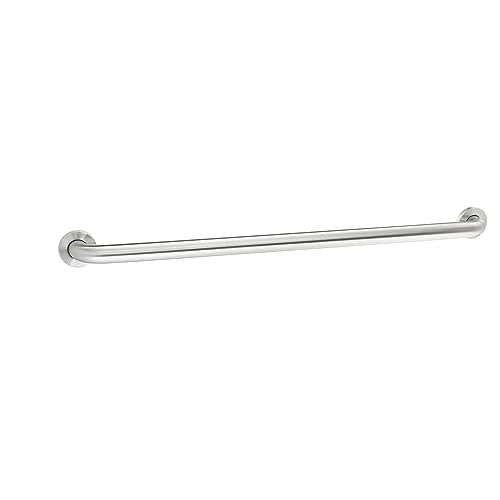
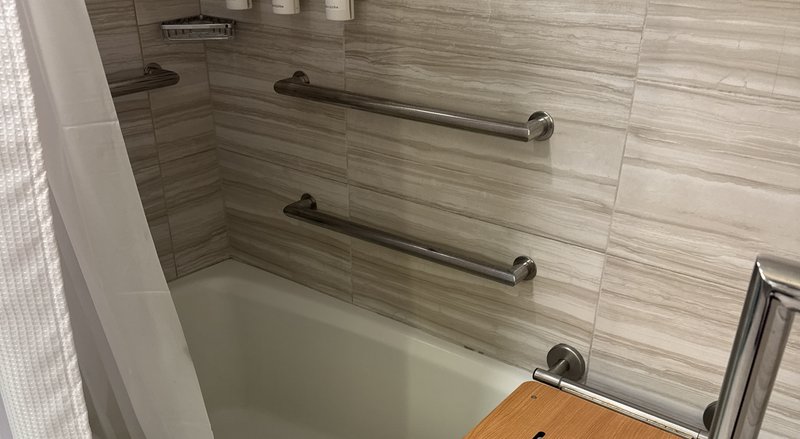
A raised toilet seat becomes significantly safer when combined with a grab bar on the wall next to the toilet. Many Medicare Advantage plans cover grab bars under the same Home Safety benefit. When you call Member Services to request the raised seat, ask about grab bars at the same time. Ordering both together often uses the same benefit and the same process, saving you a separate call.
If the toilet is positioned near a wall, a grab bar mounted at the right height gives you a sturdy point to push against when standing, which works alongside the handles on the raised seat for maximum support.
Official Medicare Resources