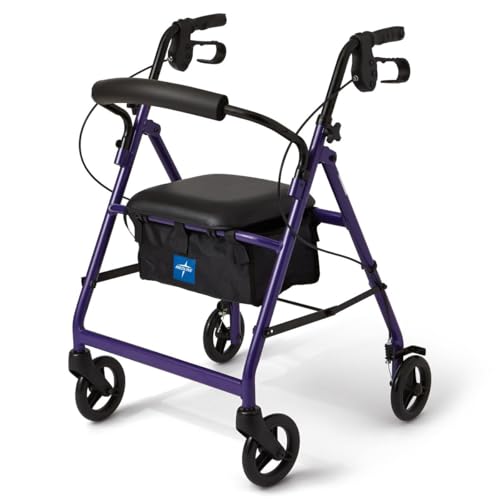

Knee replacement recovery has specific equipment needs that Medicare Advantage covers. Many patients leave the hospital without having claimed all the benefits available to them. Your plan likely covers a walker or crutches, a shower chair, a raised toilet seat, grab bars, and home physical therapy visits. If your plan includes coverage for cold therapy for swelling, that is often the item that gets missed. Knowing what you are entitled to before discharge is the key to a smoother recovery at home.
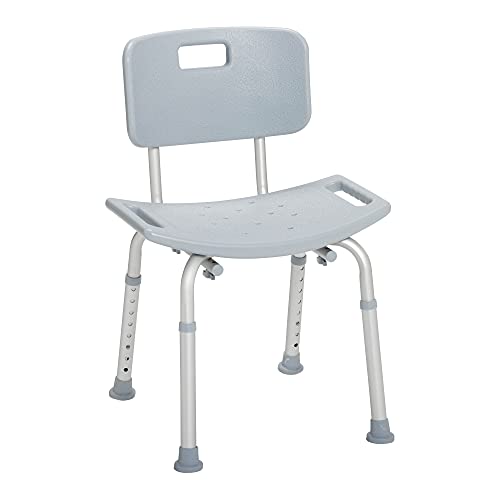
Drive Medical Shower Chair
$30-60 · Often covered under DME benefit
Durable Medical Equipment Covered After Knee Replacement
Your Medicare Advantage plan covers durable medical equipment ordered as medically necessary by your surgeon. After a total knee replacement, the following items are most commonly ordered:
- Walker or crutches: Almost all knee replacement patients go home with a walker. It provides stability while the surgical leg is weak and painful. Most patients use a walker for two to six weeks, then transition to a cane.
- Shower chair: Standing in a shower on a recently replaced knee is dangerous during early recovery. A shower chair or tub transfer bench allows you to sit while bathing, reducing fall risk significantly.
- Raised toilet seat: Getting up from a low toilet requires significant knee flexion and strength. A raised toilet seat reduces how far you need to bend your knee when sitting down and standing up, making this one of the most important items for knee recovery.
- Ice therapy or cold therapy machine: Ice is critical for managing swelling after knee replacement. Some Medicare Advantage plans cover a cold therapy machine, which circulates cold water through a pad wrapped around your knee. Coverage varies by plan. Ask specifically about cold therapy coverage before discharge because it is frequently overlooked.
- Continuous Passive Motion (CPM) machine: CPM machines, which gently flex and extend your knee while you rest, were commonly prescribed in the past. Many surgeons no longer order them, and coverage has become less common. Ask your surgeon whether a CPM is part of your recovery plan and whether your plan will cover it.
Ask the hospital case manager to submit orders for all applicable DME before your discharge date. Many hospitals can arrange for a DME supplier to deliver directly to your home so items are waiting when you arrive.
How Knee Replacement Differs from Hip Replacement Recovery
Knee and hip replacement recoveries have different challenges. Hip replacement patients face strict positional restrictions (hip precautions) to prevent dislocation. Knee replacement patients generally do not have the same type of positional restrictions, but they typically deal with more pain and swelling in the initial weeks. Bending and straightening the new knee to the required range of motion takes consistent effort and physical therapy. Ice therapy is more central to knee recovery because swelling directly limits how much you can bend the joint. Most knee patients need a walker for two to six weeks and then transition to a cane rather than walking unassisted. Your physical therapist will guide you through this transition based on your strength and balance.
Home Health Therapy After Knee Replacement
If you are homebound after surgery, your Medicare Advantage plan covers home health physical therapy visits. Homebound status means that leaving home requires a significant effort due to your condition. Most knee replacement patients qualify in the first few weeks. Home PT visits typically happen two to three times per week and focus on pain management, swelling reduction, range of motion exercises, and strength building. Your plan requires prior authorization for home health services. The hospital should coordinate this before discharge. If they do not, call your surgeon's office and your plan's Member Services on the day you get home.
Home health may also include skilled nursing visits for wound care if your incision requires monitoring, and occupational therapy visits to help you safely perform daily activities like dressing and bathing with limited knee mobility.
Transitioning to Outpatient Physical Therapy
Once you are mobile enough to travel, you will move from home PT to outpatient physical therapy at a clinic. This is typically after two to four weeks for knee replacement patients, though it varies. Outpatient PT is where most of the hard work of recovering your range of motion and strength happens. Medicare Advantage covers outpatient PT visits with a copay per session. Most knee replacement patients attend outpatient PT for eight to twelve weeks. Confirm that your preferred PT clinic is in-network with your plan before scheduling.
Home Safety: Grab Bars and Non-Slip Surfaces
Bathroom falls are a major concern during knee replacement recovery. Your plan's home safety benefit may cover grab bar installation and other modifications to reduce fall risk. A grab bar next to the toilet and inside or outside the shower gives you something to hold when your surgical leg is weak. Non-slip bath mats in the shower and on bathroom floors reduce the risk of slipping on wet surfaces. Ask your plan whether a home safety benefit is included and how to access it. Some plans require a home assessment by an occupational therapist to qualify for modification benefits.
Managing Swelling at Home
Swelling is the most common complaint after knee replacement and the biggest factor limiting range of motion. Your care team will tell you to ice, elevate, and compress the knee regularly at home. Ice for 15 to 20 minutes several times a day. Keep the leg elevated above heart level when resting. Compression stockings, which some Medicare Advantage plans cover through their DME benefit, can also help manage swelling and reduce the risk of blood clots. Ask your surgeon whether compression stockings are recommended and whether your plan covers them.
What to Request Before Discharge: A Checklist
- Orders for walker or crutches, shower chair or tub transfer bench, raised toilet seat, and cold therapy supplies if applicable
- Confirmation that DME supplier will deliver to your home before or shortly after you arrive
- Prior authorization for home health PT, skilled nursing if needed, and occupational therapy
- Referral for outpatient PT and confirmation that the clinic is in-network
- Written instructions on weight-bearing status and activity restrictions
- Phone number for your plan's Member Services in case you need to request additional items or services
What to Do If Something Was Missed at Discharge
If you arrive home and realize your DME was not ordered, your home PT has not been authorized, or a piece of equipment is missing, call your Medicare Advantage plan's Member Services right away. Explain that you just had knee replacement surgery and need the items or services expedited. You can also call your surgeon's office to have new orders written and sent to both your plan and the equipment supplier. Do not wait more than a day or two. Gaps in equipment or therapy during early recovery can slow your progress and increase your fall risk at home.
Related Guides
Official Medicare Resources