
Yes, compression socks are available through many Medicare Advantage OTC (Over-the-Counter) benefit catalogs. Most plans include graduated compression socks, typically in the 15-20 mmHg or 20-30 mmHg range, in their approved product lists. If your plan offers an OTC allowance, you can often order compression socks at no additional cost by using your benefit card at approved retailers or through your plan's online catalog.

SIGVARIS Compression Socks
$30-60 · Often listed in OTC catalogs
What Are Compression Socks and How Do They Work?
Compression socks are specially designed hosiery that apply gentle, graduated pressure to your legs and feet. The pressure is strongest at the ankle and gradually decreases as it moves up the leg. This design helps push blood back toward the heart, reducing pooling in the lower legs.
Unlike regular socks or support hose, compression socks are measured in millimeters of mercury, or mmHg, which indicates how much pressure they apply. Different compression levels are used for different conditions, and choosing the right level matters both for effectiveness and safety.
Who Benefits from Compression Socks?
Compression socks are recommended for a wide range of conditions that affect circulation in the legs. You may benefit from them if you:
- Have varicose veins or spider veins
- Experience leg swelling, also called edema
- Have been diagnosed with chronic venous insufficiency
- Are at risk for deep vein thrombosis (DVT) or blood clots
- Are recovering from leg surgery or a procedure
- Have diabetes-related circulation problems
- Spend long periods sitting (such as during travel) or standing
Many older adults wear compression socks daily as a routine part of managing leg health. If your doctor has mentioned leg swelling or circulation concerns, it is worth asking whether compression socks are appropriate for you.
Choosing the Right Compression Level
Compression socks come in several pressure ranges. The right level depends on your specific needs:
- 15-20 mmHg: Mild compression. Good for everyday prevention, mild swelling, fatigue, and long periods of sitting or standing. These are the most commonly available through OTC benefits without a prescription.
- 20-30 mmHg: Moderate compression. Appropriate for moderate varicose veins, edema, post-surgical recovery, and DVT prevention. Often available through OTC catalogs but may require a doctor's recommendation in some plans.
- 30-40 mmHg: Firm compression. Used for more serious venous conditions, severe varicose veins, and lymphedema. This level typically requires a prescription and is processed through the DME benefit rather than the OTC benefit.
- 40 mmHg and above: Medical-grade, prescription only. Not available through OTC benefits.
If you are unsure which level is right for you, ask your doctor or a certified fitter at a medical supply store. Using too high a compression level without medical guidance can restrict circulation rather than improve it.
OTC Coverage vs. DME Coverage: What Is the Difference?
Lower-compression socks, typically 15-20 mmHg and sometimes 20-30 mmHg, are available through the OTC benefit with no prescription needed. These are considered general wellness or preventive items.
Higher-compression, medical-grade socks, those at 30-40 mmHg or above, may be covered through the Durable Medical Equipment benefit instead. DME coverage typically requires a doctor's order and may involve different cost-sharing. If your doctor has prescribed higher-compression stockings, contact your plan's Member Services team to find out whether DME coverage applies.
How to Order Compression Socks Through Your OTC Benefit
Getting compression socks through your OTC benefit is similar to ordering any other covered item:
- Check your OTC balance. Log in to your member portal or call Member Services to confirm your available allowance and when it resets.
- Search your plan's catalog. Look under "compression socks," "compression hosiery," or "circulatory health" in your OTC catalog.
- Choose your size and compression level. Most catalogs offer multiple sizes. Measure your ankle circumference and calf width, or use the sizing guide provided by the brand.
- Order online, by phone, or in person. Many plans allow you to shop at approved retailers such as CVS or Walmart, or order directly through the plan's catalog website.
Tips for Getting the Most Out of Compression Socks
Compression socks work best when worn consistently and correctly:
- Put them on first thing in the morning, before swelling builds up during the day
- Make sure the sock is smooth, without folds or bunches, which can cause pressure points
- Remove them before going to bed unless your doctor advises otherwise
- Wash them regularly, since washing preserves the elastic fibers that create compression
- Replace socks every 3 to 6 months, as elasticity decreases with wear and washing
Because OTC allowances often reset quarterly, many members order new pairs each benefit period to keep their compression socks in good condition throughout the year.
What Other Circulatory Health Items May Be Covered?
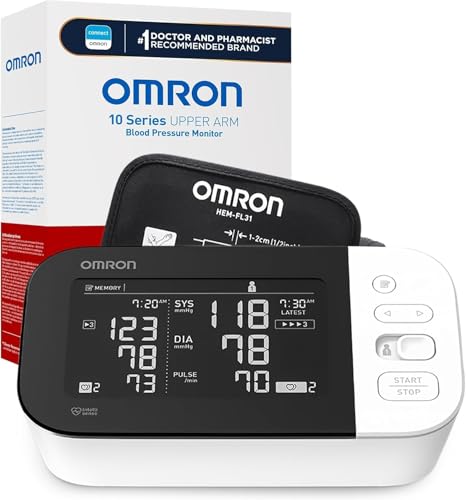
If your plan covers compression socks through the OTC benefit, it may also cover other circulatory health items. Some plans include leg wedge pillows for elevation, blood pressure monitors, or pulse oximeters in the same catalog. Reviewing your full OTC product list at the start of each benefit period helps you make the most of your allowance before it expires.
Official Medicare Resources