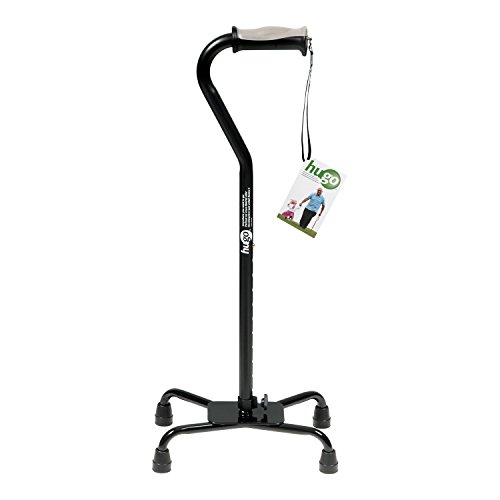

Yes, Medicare Advantage covers knee scooters (also called knee walkers) as durable medical equipment (DME (Durable Medical Equipment)) when a doctor prescribes one for recovery from a lower leg injury or surgery. Common qualifying situations include foot surgery, ankle surgery, and lower leg fractures where putting weight on the foot is not allowed during recovery. The scooter is typically rented for the length of your recovery and then returned to the supplier. Some plans may require prior authorization, so it is worth calling your plan before you order. The key requirement is that it must be medically necessary, not just convenient.
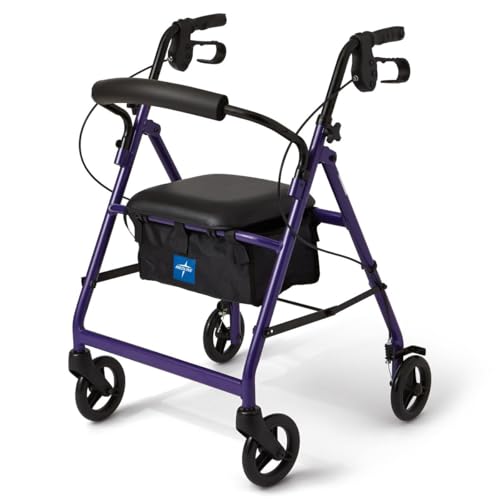
Medline Rollator Walker
$65-120 · Covered under DME benefit
What Is a Knee Scooter and How Does It Work
A knee scooter is a four-wheeled mobility device with a padded knee platform. Instead of hopping on one foot or using crutches, you rest the injured leg on the padded platform and propel yourself forward with your other foot. This takes all weight off the injured foot or ankle, which is exactly what many surgeons require during the healing period.
Knee scooters are popular because they are easier on the arms and upper body than crutches, more stable than hopping, and allow people to move around their home and community much more independently during recovery. For older adults especially, crutches can be difficult to use safely, and a knee scooter is often a safer and more practical option.
Who Qualifies for Coverage
To qualify for Medicare Advantage coverage, your knee scooter must be prescribed by your doctor for a specific medical reason. Common qualifying conditions include:
- Foot surgery, including bunion removal, hammertoe correction, or plantar fascia procedures
- Ankle surgery or ankle fracture recovery
- Lower leg fracture where non-weight-bearing is required
- Diabetic foot ulcer treatment requiring offloading of the foot
- Post-operative recovery after any procedure that prohibits weight-bearing on the foot
The device must be medically necessary for your recovery. If your surgeon or doctor has prescribed non-weight-bearing status for your injured leg, that is typically sufficient documentation to support coverage. General difficulty walking without a specific injury or surgery usually does not qualify.
How the Rental Process Works
Knee scooters are covered as a rental, not a purchase, because they are only needed for a defined recovery period. Here is how the process typically works:
- Your surgeon or treating doctor writes a prescription for a knee scooter and documents the medical necessity (usually as part of post-operative instructions).
- You or your doctor's office contacts your Medicare Advantage plan to ask about prior authorization requirements and get a list of in-network DME suppliers.
- You contact an in-network supplier. Many suppliers can deliver the scooter to your home before or shortly after your surgery or injury.
- The supplier bills your plan monthly for the rental. You pay your plan's cost-sharing amount each month.
- When your doctor clears you to bear weight again, you return the scooter to the supplier.
The rental period typically matches your recovery timeline. If your recovery takes 6 to 8 weeks, you pay for 6 to 8 weeks of rental. You do not automatically own the scooter after 13 months the way you would with some other DME, because the expectation is that recovery will be complete well before that point.
Prior Authorization: Do You Need It
Some Medicare Advantage plans require prior authorization for knee scooters, and some do not. The best approach is to call your plan's member services line as soon as you know you will need one, ideally before your surgery date if you have advance notice. Give yourself at least a few days to allow for the prior authorization review if it is required. Your surgeon's office can often help submit the prior authorization paperwork since they will already have all the relevant medical documentation.
If you need the scooter urgently (for example, after an unexpected fracture), ask your supplier whether they can deliver the scooter while the prior authorization is being processed and whether there is any risk to you if the authorization is denied. A reputable supplier will walk you through the process and help you understand your options.
Using an In-Network DME Supplier
As with all DME covered by Medicare Advantage, you must use a supplier that is in your plan's network. Using an out-of-network supplier can result in significantly higher out-of-pocket costs or a denied claim. Call your plan first, get a list of approved suppliers, and confirm the supplier is in-network before accepting delivery. Many hospital systems and orthopedic practices have preferred DME suppliers they regularly work with. Ask your surgeon's office who they typically work with and confirm that supplier is in your plan's network.
What Happens When Your Recovery Is Complete
When your doctor clears you to bear full weight again, contact your DME supplier to arrange the return of the scooter. The supplier will typically schedule a pickup or give you instructions for dropping it off. Make sure to get a receipt or confirmation that the scooter was returned so that monthly rental charges stop promptly. If you keep the scooter longer than your recovery requires, you may continue to be billed for the rental. Your plan may also follow up to confirm you still need the device if the rental extends beyond a certain period.
Alternatives to a Knee Scooter
A knee scooter is not the only covered option for lower leg injury recovery. Your doctor may recommend a different approach depending on your injury and living situation:
- Crutches: Covered as DME and typically provided at the hospital or surgical center. Good for people with sufficient upper body strength.
- Rollator walker: For patients who need more stability and cannot safely use crutches or a knee scooter, a rollator walker may be an appropriate alternative depending on the type of injury.
- Hands-free crutch (iWalk): Similar to a knee scooter in concept, this device straps to the lower leg. Coverage varies more than for traditional knee scooters, so confirm with your plan.
Talk to your surgeon about which option is best suited to your home layout, strength, and recovery needs. The goal is to keep you safe and mobile throughout your recovery.
Official Medicare Resources