
Yes, Medicare Advantage covers power wheelchairs and mobility scooters as durable medical equipment (DME (Durable Medical Equipment)) when your doctor documents that you cannot perform everyday mobility tasks using a cane, walker, or manual wheelchair. Coverage includes the device itself, fitting, and basic maintenance. Prior authorization is almost always required, and you must use an in-network supplier. The process involves more documentation than most DME items, but it is very doable when you work closely with your doctor and your plan.

Transport Wheelchair
$100-200 · Covered under DME benefit
The Core Requirement: Mobility-Related ADLs
The phrase Medicare uses is "mobility-related activities of daily living," often abbreviated as MRADLs. These are everyday tasks that require you to move around your home: getting to the bathroom, preparing meals, getting to and from the bedroom, and other basic functions. To qualify for a power wheelchair or scooter, your doctor must document that your condition prevents you from completing these tasks safely using a less advanced mobility device, such as a cane, walker, or manual wheelchair.
In other words, the question your doctor needs to answer is not just "does this person have trouble walking?" It is "can this person get around their home at all using other available options?" This higher standard exists because power wheelchairs and scooters are more expensive than standard mobility aids.
Power Wheelchair vs. Mobility Scooter: Which One Gets Covered
Medicare Advantage treats power wheelchairs and scooters differently, and your doctor's documentation determines which one is appropriate.
- Mobility scooters are appropriate for patients who have some ability to walk short distances but cannot manage longer distances. You also need to be able to operate the tiller steering mechanism and transfer on and off the scooter with minimal assistance. Scooters are often approved for patients with arthritis, mild COPD (Chronic Obstructive Pulmonary Disease), or heart conditions that limit endurance.
- Power wheelchairs are appropriate for patients with more severe limitations who cannot operate a scooter safely. This includes patients with significant upper body weakness, poor balance, or neurological conditions. Power wheelchairs offer more precise hand controls and better positioning support.
Your doctor and, in many cases, a physical or occupational therapist will assess which type of device is appropriate for your situation. The assessment is an important part of the documentation process.
The In-Home Mobility Assessment
For power wheelchairs in particular, Medicare Advantage often requires an in-home assessment as part of the prior authorization process. A qualified therapist visits your home to evaluate whether a power wheelchair can actually be used safely in your living space. They look at doorway widths, flooring, turning radius needs, and other factors. The assessment also helps determine the right type and size of chair for your home layout. This step protects you as much as it protects the plan. A power wheelchair that cannot navigate your hallways or fit through your bathroom door is not going to help you.
Prior Authorization: Why It Is Almost Always Required
Prior authorization for power mobility devices is standard across virtually all Medicare Advantage plans. This means your plan reviews the documentation before approving coverage. The review typically includes:
- Your doctor's face-to-face examination notes (usually conducted within 45 days of the equipment order)
- A detailed written order from your doctor
- A therapist evaluation (if required by your plan)
- The in-home assessment report (if applicable)
Prior authorization can take a few days to a few weeks. Your DME supplier will typically coordinate this process with your doctor's office, but it helps to follow up and confirm everything has been submitted. Ask your supplier for the prior authorization number once it is approved.
Using an In-Network Supplier
Like all DME covered by Medicare Advantage, you must use an in-network supplier for a power wheelchair or scooter. Using an out-of-network supplier can result in the claim being denied or you being responsible for a much larger portion of the cost. Call your plan's member services line before you start the process to get a list of approved suppliers in your area. Some suppliers specialize in complex rehabilitation equipment and have staff who are certified to fit and adjust power mobility devices. This expertise matters, especially for power wheelchairs that need to be configured to your specific needs.
What Coverage Includes
When your plan approves a power wheelchair or scooter, coverage typically includes:
- The device itself, including the base, seating, and standard controls
- Delivery and fitting by the supplier
- Training on how to use the device safely
- Basic maintenance and repairs during the rental period
Like other DME, power wheelchairs and scooters are typically rented for 13 months and then ownership transfers to you. Accessories like specialized cushions, headrests, or elevating leg rests may require separate documentation to be covered.
If You Do Not Qualify for a Power Chair or Scooter
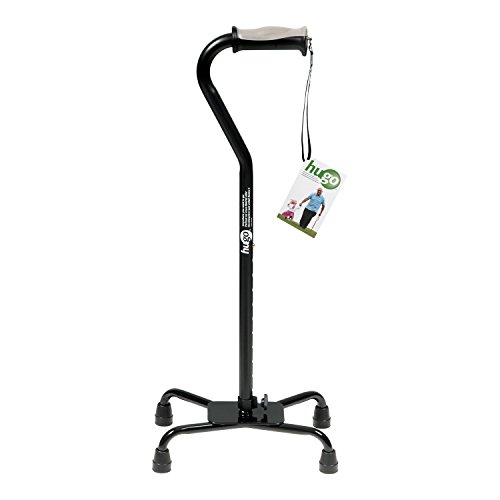
Not everyone who has mobility difficulty will meet the criteria for a power wheelchair or scooter. If your condition allows you to walk some but you need support, a rollator walker, quad cane, or transport wheelchair may be covered instead and may actually serve your needs well. Talk to your doctor about which option makes the most sense for your daily life.
Official Medicare Resources