
Yes, fingertip pulse oximeters are available through many Medicare Advantage OTC (Over-the-Counter) benefit catalogs. A pulse oximeter clips onto your fingertip and measures your blood oxygen level and heart rate in seconds. Most plans list pulse oximeters under "health monitoring" or "monitoring devices" in their OTC product catalog, and you can use your benefit card to purchase one at no additional cost if your allowance covers it.

Nonin Pulse Oximeter
$40-60 · Often listed in OTC catalogs
What Is a Pulse Oximeter?
A pulse oximeter is a small, clip-like device that attaches to your fingertip. It shines a light through your skin to measure how much oxygen is being carried by your red blood cells. This measurement is called blood oxygen saturation, or SpO2, and it appears on the device's screen as a percentage. Most devices also display your pulse rate at the same time.
The device is completely painless and non-invasive. You simply clip it to your fingertip, hold still for a few seconds, and read the numbers on the screen. No needles, no blood, and no lab visit required. Results appear in under a minute.
Pulse oximeters are routinely used by nurses and doctors in clinical settings. The consumer versions available through OTC benefits are FDA-cleared for home use and provide reliable readings for most adults.
Who Should Monitor Oxygen Levels at Home?
Home pulse oximetry is especially valuable for people with conditions that affect breathing or oxygen delivery. You may benefit from regular monitoring if you have:
- COPD (Chronic Obstructive Pulmonary Disease): Oxygen levels can drop during activity or during a flare-up
- Heart failure: Reduced cardiac function can affect how well oxygen is delivered throughout the body
- Asthma: Monitoring during or after an episode helps assess severity
- Sleep apnea: Oxygen dips during sleep are a hallmark of untreated apnea
- Pulmonary fibrosis or other lung diseases: Tracking oxygen levels guides activity and medication decisions
- Recent respiratory illness: Including pneumonia or COVID-19, where monitoring recovery is important
Many doctors recommend that patients with chronic lung or heart conditions keep a pulse oximeter at home so they can detect changes before symptoms become severe enough to require emergency care.
What Are Normal Oxygen Levels?
For most healthy adults, a normal SpO2 reading falls between 95 and 100 percent. Here is a general guide to understanding what your readings mean:
- 95-100%: Normal range for most adults
- 90-94%: Below normal. Your doctor should know about consistent readings in this range.
- Below 90%: This is generally considered a reason to call your doctor or seek care promptly. At this level, the body is not getting enough oxygen to function well.
- Below 80%: Severely low. This level requires immediate medical attention.
Keep in mind that some people with chronic lung disease are accustomed to lower baseline oxygen levels. Your doctor will help you understand what is normal for you specifically and when to be concerned.
How to Get a Pulse Oximeter Through Your OTC Benefit
Getting a pulse oximeter through your Medicare Advantage OTC benefit takes just a few steps:
- Check your OTC balance. Log in to your member portal or call Member Services to find out how much you have available and when your benefit resets.
- Search your plan's catalog. Look under "monitoring devices," "health monitoring," "respiratory support," or "chronic condition management." Some plans list pulse oximeters under a general wellness category.
- Choose an FDA-cleared device. Look for the FDA-cleared label, which means the device has been tested for accuracy. Consumer pulse oximeters typically cost $25 to $60 at retail, well within most OTC allowances.
- Order online, by phone, or in person. Most plans allow ordering through their website, by calling their OTC catalog line, or by using your benefit card at approved retail locations like CVS or Walgreens.
What Makes a Good Home Pulse Oximeter?
Not all pulse oximeters are equally accurate. When choosing one, look for:
- FDA clearance: This indicates the device has passed accuracy testing
- Clear display: Large digits are easier to read, especially for older adults
- Good battery life: Most run on AAA batteries and last several months with regular use
- Accurate waveform display: A waveform or signal strength indicator helps confirm the device is reading correctly
Nonin is widely considered the most clinically validated brand in the consumer pulse oximeter market. Nonin devices are used in both clinical and home settings and are known for reliable readings even in people with poor circulation or darker skin tones, which can affect accuracy in some lower-quality devices.
Tips for Getting Accurate Readings at Home
A few simple steps will help you get the most accurate readings from your pulse oximeter:
- Warm your hands before measuring, since cold fingers can affect accuracy
- Remove nail polish or artificial nails on the finger you are using
- Sit quietly and breathe normally for one to two minutes before measuring
- Hold still during the reading, since movement can cause inaccurate results
- Write down your readings in a log so you can share trends with your doctor
If you get an unexpectedly low reading, try another finger or wait a few minutes and try again. A single unusual reading is less meaningful than a pattern of low readings over multiple days.
How a Pulse Oximeter Fits into Your Home Health Routine
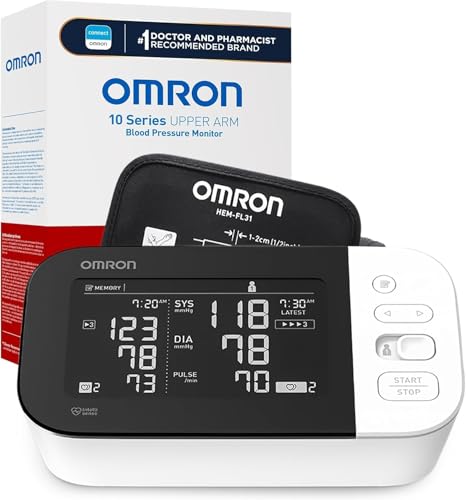
A pulse oximeter works well alongside other home monitoring tools. Members who use a blood pressure monitor to track hypertension often benefit from adding a pulse oximeter, since both devices help catch changes between doctor visits. Together, they give you and your care team a clearer picture of your cardiovascular and respiratory health without requiring extra trips to a clinic.
If your plan's OTC allowance covers both a pulse oximeter and a blood pressure monitor, getting both in the same benefit period is a smart way to build a complete home monitoring kit at little or no cost.
Official Medicare Resources