
Yes, Medicare Advantage covers transfer benches under the Durable Medical Equipment (DME) benefit when your doctor prescribes one as medically necessary. Many plans also cover transfer benches under a separate Home Safety benefit, which may require no prescription at all. Either way, most members pay little or nothing out of pocket for a covered transfer bench.
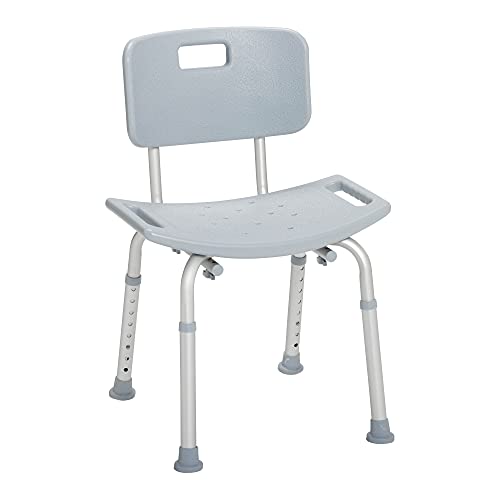
Drive Medical Shower Chair
$30-60 · Often covered under DME or Home Safety benefit
What Is a Transfer Bench?
A transfer bench, sometimes called a bath transfer bench or tub transfer bench, is a seat that straddles the edge of a standard bathtub. Two legs sit inside the tub, and two legs sit on the bathroom floor outside the tub. To use one, you sit down on the outside portion of the bench, then slide across the seat and lift your legs into the tub one at a time. You never have to step over the tub wall.
This design makes bathing much safer for people who cannot safely lift a leg high enough to step over a tub edge. It is one of the most commonly prescribed bathroom safety items after major surgery or a significant health event.
Who Typically Needs a Transfer Bench?
Transfer benches are most often used by people in the following situations:
- After hip replacement surgery: Hip precautions often restrict how far you can bend the hip. Stepping over a tub wall can violate those restrictions and risk dislocating the new joint. A transfer bench keeps you safe.
- After knee replacement surgery: Getting in and out of a tub requires significant knee flexion. A transfer bench removes that strain during early recovery.
- Balance and fall risk: Anyone with significant balance limitations benefits from not having to stand on one leg while lifting the other over a tub wall.
- Weakness from illness or hospitalization: Extended bed rest reduces muscle strength quickly. A transfer bench is often sent home with patients at hospital discharge.
How Does Medicare Advantage Cover a Transfer Bench?
There are two main pathways to coverage, and your plan may offer one or both.
Pathway 1: The DME Benefit. Your doctor writes an order (a prescription) stating that you need a transfer bench for a specific medical reason. Your Medicare Advantage plan then connects you with an in-network DME supplier who delivers the bench to your home. Under the DME benefit, you typically pay little or nothing after your plan's cost-sharing is applied.
Pathway 2: The Home Safety Benefit. Many Medicare Advantage plans include an annual Home Safety or Home Modification allowance, often ranging from $500 to $2,000 per year depending on the plan. A transfer bench may be covered under this allowance without requiring a doctor's prescription. You call Member Services, request the benefit, and the plan either sends the item or reimburses your purchase.
Steps to Get Your Transfer Bench Covered
- Talk to your doctor or physical therapist about your bathing safety concerns. Ask them to note the medical need in your chart or write a brief DME order.
- Call the Member Services number on the back of your Medicare Advantage card. Ask whether a transfer bench is covered under your DME benefit or your Home Safety benefit.
- Ask for a list of in-network DME suppliers if going through the DME benefit. The supplier will handle delivery and paperwork.
- If using the Home Safety benefit, ask about the reimbursement process and whether you need prior authorization.
- Keep a copy of your doctor's order and any receipts in case you need to follow up.
Transfer Bench vs. Shower Chair: What Is the Difference?
This is a common source of confusion. A transfer bench is designed specifically for use with a standard bathtub. It straddles the tub edge, so two legs are inside the tub and two are outside. You use it by sitting on the outside and sliding in.
A shower chair, by contrast, sits entirely inside a walk-in shower or shower stall. It does not straddle anything. If you have a walk-in shower without a tub, a shower chair is the right choice. If you have a bathtub and need to get into it, a transfer bench is the right choice. Some people with both a tub and a walk-in shower may benefit from both items, and Medicare Advantage may cover both if they are each medically justified.
What If My Plan Does Not Cover a Transfer Bench?
If your plan denies the claim or does not offer either benefit pathway, you have options. First, ask your doctor to write a letter of medical necessity explaining in detail why the transfer bench is required for your safety. This documentation often turns a denial into an approval on appeal. Second, ask about any supplemental benefits your plan offers for home safety. Third, check whether your state Medicaid program offers additional home modification assistance if you are enrolled in both Medicare and Medicaid (dual eligible).
Transfer benches are also modestly priced at retail, generally between $40 and $80, so self-pay is an option if insurance does not cover the cost.
Tips for Choosing and Using a Transfer Bench Safely
When your plan's supplier delivers a transfer bench, ask for a brief demonstration before they leave. A few points to keep in mind:
- Make sure all four legs are adjusted to the correct height so the seat is level.
- Check that the non-slip feet are firmly in contact with the floor and the tub surface.
- Pair the bench with a handheld showerhead so you can bathe while seated without twisting to reach water.
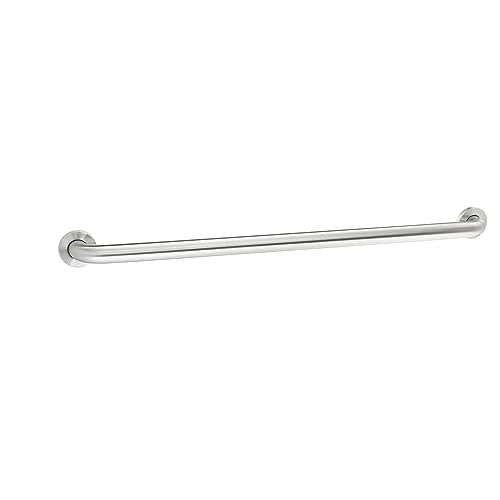
- Add a grab bar near the tub entrance for additional support during the transfer. Your plan may cover the grab bar as well.
- Have a caregiver or family member present for the first few uses until you feel confident with the technique.
Official Medicare Resources