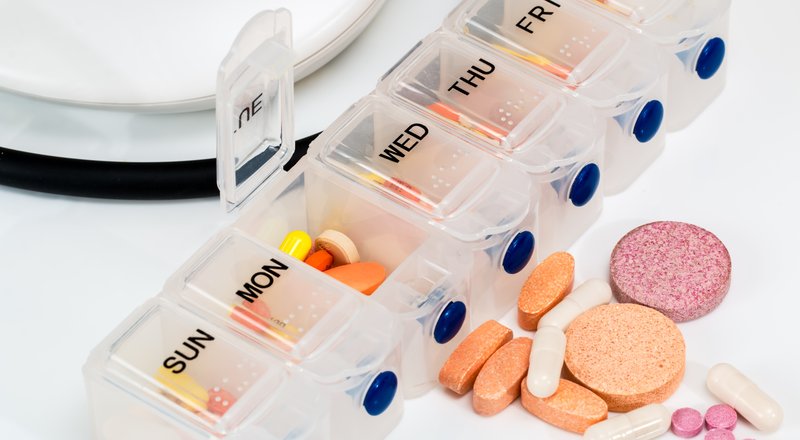

Most Medicare Advantage OTC (Over-the-Counter) benefits reset quarterly, meaning your balance refreshes four times a year: January 1, April 1, July 1, and October 1. Some plans reset monthly, and a smaller number reset just once per year. The most important thing to know is that unused balances almost never roll over. If you do not spend your allowance before the reset date, that money is gone. This is the single biggest reason Medicare Advantage members leave free benefits on the table.
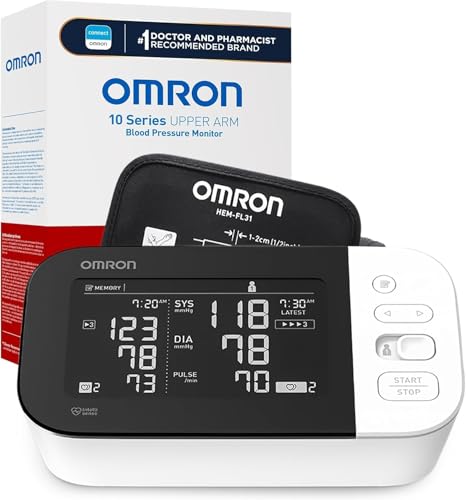
Omron Blood Pressure Monitor
$50-80 · Often covered by OTC benefit
The Three Reset Schedules: Which One Does Your Plan Use?
Understanding your plan's reset schedule is the first step to making sure you never lose your benefit. Here are the three most common structures:
- Quarterly reset (most common): Your balance refreshes every three months, on January 1, April 1, July 1, and October 1. A typical quarterly allowance ranges from $25 to $150 per period, though some plans offer more.
- Monthly reset: A smaller number of plans load a fresh amount each month, usually a lower dollar amount per period. These plans can be easier to keep up with since the cycle is shorter.
- Annual reset: Some plans load the full year's allowance at once, usually on January 1. This gives you more flexibility, but a larger amount to track over the course of a full year.
To find out which schedule your plan uses, check your Summary of Benefits document, log into your member portal, or call Member Services.
Why Unused Balances Do Not Roll Over
Medicare Advantage plans structure the OTC benefit as a "use it or lose it" allowance. This is built into the plan contract. When the reset date arrives, your balance returns to the full quarterly (or monthly) amount, regardless of how much you had left. Any remaining funds from the previous period simply disappear.
To put this in concrete terms: if you have a $75 quarterly OTC benefit and you have $50 left on March 31, that $50 is gone on April 1. Your new $75 loads, but you cannot carry forward the amount you did not spend.
Over the course of a year, a member who consistently leaves $50 unused each quarter loses $200 in benefits they paid for through their plan premium. That adds up quickly.
How to Check Your Current Balance
Before you can plan your spending, you need to know where your balance stands. Here are the most reliable ways to check:
- Member portal or app: Log into your plan's website or mobile app. Look for a section labeled "Benefits," "OTC Benefit," or "Flex Card." Your current balance is usually displayed on the main benefits page.
- Call Member Services: The phone number is on the back of your OTC card. A representative can tell you your current balance and your next reset date in under a minute.
- In-store kiosk: Some retailers, particularly CVS and Walgreens, have kiosks where you can check the balance on your card.
- Receipt from last purchase: Your most recent OTC purchase receipt often shows your remaining balance after the transaction.
How to Avoid Losing Your Balance
The most effective strategy is simple: set a calendar reminder two weeks before each quarter ends. That gives you time to check your balance and spend any remaining funds before the reset. The quarterly end dates to remember are March 31, June 30, September 30, and December 31.
When you have a remaining balance to use up, focus on items that have a long shelf life and that you will definitely use over time. These categories are well suited for stocking up:
- Vitamins and supplements: Multivitamins, vitamin D, fish oil, and calcium supplements last for months and are commonly covered.
- First aid supplies: Bandages, antiseptic, gauze, and wound care products do not expire quickly.
- Compression socks: These last for several months of regular use and are a great end-of-quarter purchase.
- Pain relief items: Over-the-counter pain relievers and TENS unit supplies are consumable and always useful to have on hand.
- Health monitors: If you do not yet have a blood pressure monitor or pulse oximeter, these are high-value items worth buying when you have remaining OTC funds.
What Happens to Your Balance When Your Plan Year Ends?
The plan year for Medicare Advantage runs from January 1 to December 31. When the year ends, any remaining OTC balance from the final quarter also expires, just like any other quarterly reset. If you switch plans during open enrollment, your OTC benefit from the old plan does not transfer. The new plan's benefit starts fresh on January 1.
Setting Up Reminders So You Never Forget
The simplest approach is to add a recurring quarterly reminder to your phone or paper calendar. Set it for mid-March, mid-June, mid-September, and mid-December. When the reminder pops up, check your balance and make a shopping list. Even a quick 10-minute review can save you from losing $50 or more in benefits you have already paid for through your monthly premium.
Some plans also send email or text reminders before balances reset. Check your plan's communication preferences in the member portal and opt in to balance alerts if that option is available.
Official Medicare Resources

