
Yes, threshold ramps and small portable ramps are covered under the Home Safety benefit offered by most Medicare Advantage plans. If you have a raised lip between your shower floor and bathroom floor, or a raised door sill that creates a tripping hazard, your plan may pay for a ramp to eliminate that risk. Coverage amounts vary by plan, but many plans provide an annual home safety allowance between $250 and $1,500 that can be used for these items.
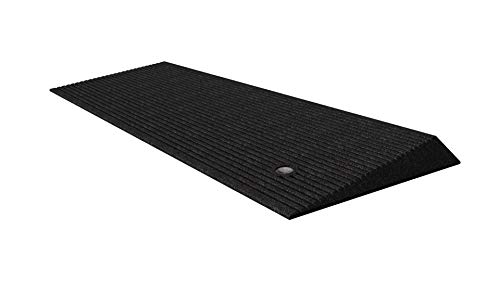
EZ-Access Threshold Ramp
$50-120 · Often covered under Home Safety benefit
What Is a Threshold Ramp?
A threshold ramp is a small, wedge-shaped ramp that bridges the raised lip at the entrance to a shower, bathtub, or doorway. Instead of stepping over a 1- to 4-inch raised edge, you roll or step smoothly over it. Threshold ramps are especially important for people who use walkers, wheelchairs, or canes, but they also reduce fall risk for anyone with limited leg strength or balance issues.
The most common types your plan may cover include:
- Shower threshold ramps: Placed at the edge of a roll-in or walk-in shower to eliminate the step-over
- Door threshold ramps: Placed at interior or exterior door sills to smooth out raised transitions
- Portable rubber ramps: Lightweight, no-installation ramps that sit in place with their own weight or suction cups
Are Larger Ramps Also Covered?
Some Medicare Advantage plans extend their home safety benefit to cover larger ramps for stairs or entryway steps. These tend to be permanent or semi-permanent installations and are more expensive, often ranging from $150 to $500 or more. Whether a larger ramp is covered depends on your specific plan and the annual home safety allowance included in your benefits.
If your plan offers a home modification benefit (sometimes listed separately from home safety), larger ramp installations may fall under that category instead. Call your plan's Member Services line to ask specifically about ramp coverage and whether it applies to exterior entryways and stair lifts as well.
Who Benefits Most from a Threshold Ramp?
A threshold ramp is one of the most practical fall-prevention tools available. You may benefit from one if you:
- Use a walker, wheelchair, or rollator
- Have had a recent fall or near-fall in the bathroom
- Experience difficulty lifting your feet fully when walking
- Have neuropathy, arthritis, or reduced balance
- Are recovering from a hip replacement or other surgery
Falls in the bathroom are among the most common causes of serious injury for adults over 65. A threshold ramp, combined with grab bars and a non-slip mat, can significantly reduce that risk.
How to Claim Your Threshold Ramp Through Medicare Advantage
Getting a ramp covered through your Medicare Advantage plan typically involves a few steps:
- Call Member Services using the number on the back of your insurance card. Ask specifically about the Home Safety benefit or Home Modification benefit.
- Ask for your annual allowance amount and whether threshold ramps are listed as covered items.
- Find an approved vendor. Some plans work with specific suppliers. Others allow you to purchase from any retailer and submit a reimbursement claim.
- Keep your receipt. If your plan reimburses rather than pays directly, you will need proof of purchase.
Do You Need a Professional to Install It?
For portable rubber threshold ramps, installation is typically not required. These ramps sit in place on their own and can be repositioned easily. No tools or contractors are needed.
For larger ramps that attach to steps or entryways, your plan may require an approved contractor to handle the installation, especially if the ramp involves structural changes to your home. Ask your plan's Member Services team about installation requirements before purchasing.
How Much Do Threshold Ramps Cost?
Portable rubber threshold ramps are among the most affordable home safety items available. Small shower threshold ramps typically cost $20 to $60, which falls well within most plans' annual home safety allowances. Larger modular ramps for stairs or entryways can range from $100 to $500 depending on height and length.
Because the cost is low relative to most plan allowances, a threshold ramp is often one of the easiest items to get covered without worrying about hitting a spending cap.
Other Home Safety Items to Pair with a Threshold Ramp
A threshold ramp works best as part of a broader bathroom safety setup. Most Medicare Advantage plans that cover ramps also cover:
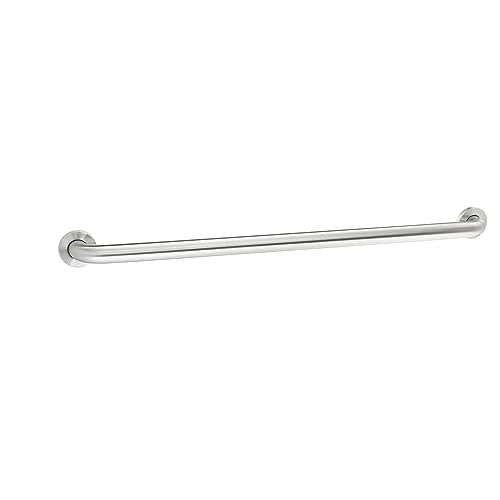
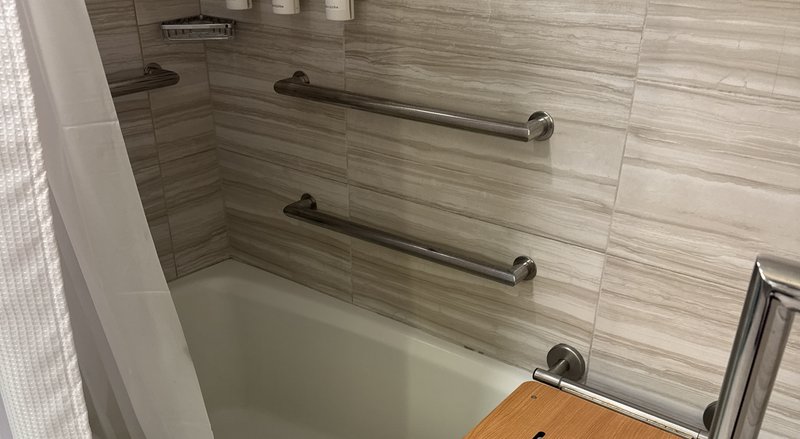
- Grab bars installed near the toilet, shower, or tub
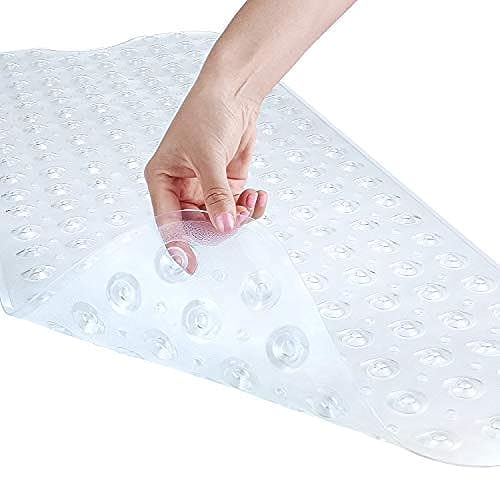
- Non-slip bath mats for inside and outside the shower
- Shower chairs or transfer benches for safer bathing
If your plan has a combined home safety allowance, you can often use one benefit to cover several of these items together. Ask your Member Services team what is covered and how much allowance remains in your current benefit period.
Official Medicare Resources