
Generally, no. Stair lifts are not covered by Original Medicare or most Medicare Advantage plans. Medicare classifies stair lifts as home modifications rather than durable medical equipment, and home modifications are typically excluded from coverage. That said, some Medicare Advantage plans offer supplemental home safety or home modification benefits that may cover stair-related safety improvements. It is worth calling your plan directly to ask, because coverage varies. In the meantime, this article explains what IS covered for stair safety, and what other programs can help pay for a stair lift if you need one.
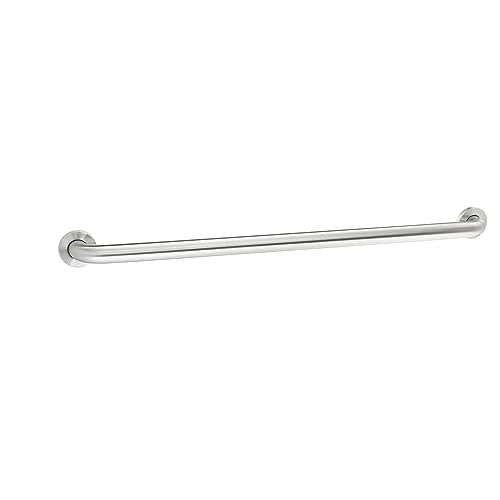
Amazon Basics 36" Grab Bar
$25-45 · Covered under home safety benefit
Why Medicare Does Not Cover Stair Lifts
To be covered as durable medical equipment, an item must meet Medicare's definition: it must be primarily medical in nature, able to withstand repeated use, not useful to someone without a medical condition, and appropriate for use in the home. A stair lift does not meet all of these criteria in Medicare's framework. It is permanently installed into the home, which makes it a structural modification rather than a piece of removable medical equipment. Medicare generally does not pay for changes to the structure or fixtures of your home, no matter how medically important those changes might be.
The same rule applies to items like wheelchair ramps (though portable ramps are a different story), elevator installations, and widening doorways. These are all improvements to the home environment rather than medical devices.
What Some Medicare Advantage Plans Do Cover
While Original Medicare excludes stair lifts, some Medicare Advantage plans go beyond Original Medicare and include a supplemental home safety benefit or a home modification allowance. These benefits vary widely from plan to plan and from year to year. Some examples of what these supplemental benefits might cover include:
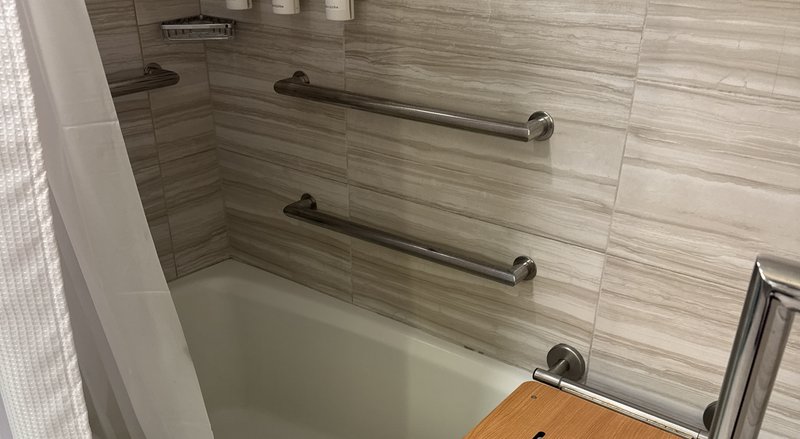
- Grab bar installation on staircases and in bathrooms
- Handrail installation and repairs
- Non-slip flooring or stair treads
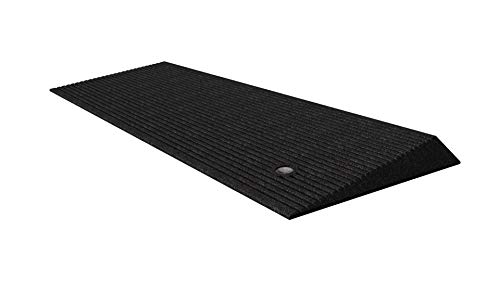
- Portable threshold ramps for small steps at entrances
- Smart home safety devices like motion-sensor lighting
A small number of plans, particularly those serving populations with chronic conditions or disabilities, may include a modest allowance toward structural modifications. If your plan offers a home safety or home modification benefit, call member services and ask specifically: "Does my benefit cover stair lift installation?" Get the answer in writing if possible.
Stair Safety Products That Are More Likely to Be Covered
Even if your plan does not cover a stair lift, there are products that may be covered under your home safety benefit or OTC (Over-the-Counter) allowance that can meaningfully improve stair safety:
- Grab bars: Wall-mounted grab bars near staircases or in stairwells can be covered under many plans' home safety benefits. They provide support when ascending or descending stairs.
- Portable threshold ramps: If the challenge is a single step at a doorway rather than a full staircase, a portable threshold ramp may be covered and can eliminate the tripping hazard entirely.
- Non-slip stair treads: Some OTC allowances include non-slip products for home safety. These are a low-cost improvement that reduces fall risk on stairs.
Other Ways to Pay for a Stair Lift
If your Medicare Advantage plan does not cover a stair lift, you have several other options to explore:
- Medicaid Home and Community-Based Services (HCBS) waivers: If you are dual-eligible for both Medicare and Medicaid, your state's Medicaid waiver program may cover home modifications including stair lifts. Eligibility and covered items vary by state. Call your state Medicaid office to ask.
- Area Agency on Aging: Local aging services organizations sometimes administer grant programs or low-cost loan programs for home modifications. Call 1-800-677-1116 to find your local agency.
- Veterans benefits: If you are a veteran, the VA's Home Improvements and Structural Alterations (HISA) grant program may cover stair lift installation. The program provides up to $6,800 for service-connected veterans and up to $2,000 for non-service-connected veterans.
- USDA Rural Repair and Rehabilitation Program: If you live in a rural area and have low income, this program offers grants for home repairs and modifications for seniors.
- State assistance programs: Many states have programs specifically designed to help seniors age in place. Search for "[your state] home modification program for seniors" to find local options.
- Nonprofit organizations: Rebuilding Together and similar nonprofits provide free or low-cost home modification assistance for eligible seniors.
When a Stair Lift Might Not Be the Right Solution
Before spending $2,000 to $10,000 on a stair lift installation, consider whether there are alternatives that address the underlying need at lower cost. If the main bedroom and bathroom are on the upper floor and getting upstairs is difficult, moving the bedroom to the main floor may solve the problem entirely without any structural modification. A hospital bed (which IS covered by Medicare Advantage as DME (Durable Medical Equipment)) can be set up on the main level, and a portable commode nearby can eliminate the need to use upstairs facilities overnight. This kind of practical rearrangement is something a home health occupational therapist can help you think through, often at little or no cost.
What to Do Next
Here is a simple action plan if you are researching stair lift coverage:
- Call your Medicare Advantage plan's member services line and ask specifically about home modification or home safety benefits and whether stair lifts are included.
- Ask whether grab bars, handrails, or threshold ramps are covered and how to get them.
- Contact your local Area Agency on Aging at 1-800-677-1116 to ask about local assistance programs.
- If you are a veteran, contact the VA to ask about the HISA grant program.
- Ask your doctor for a referral to an occupational therapist for a home safety assessment. This assessment can identify the most effective and affordable solutions for your specific home layout.
Official Medicare Resources